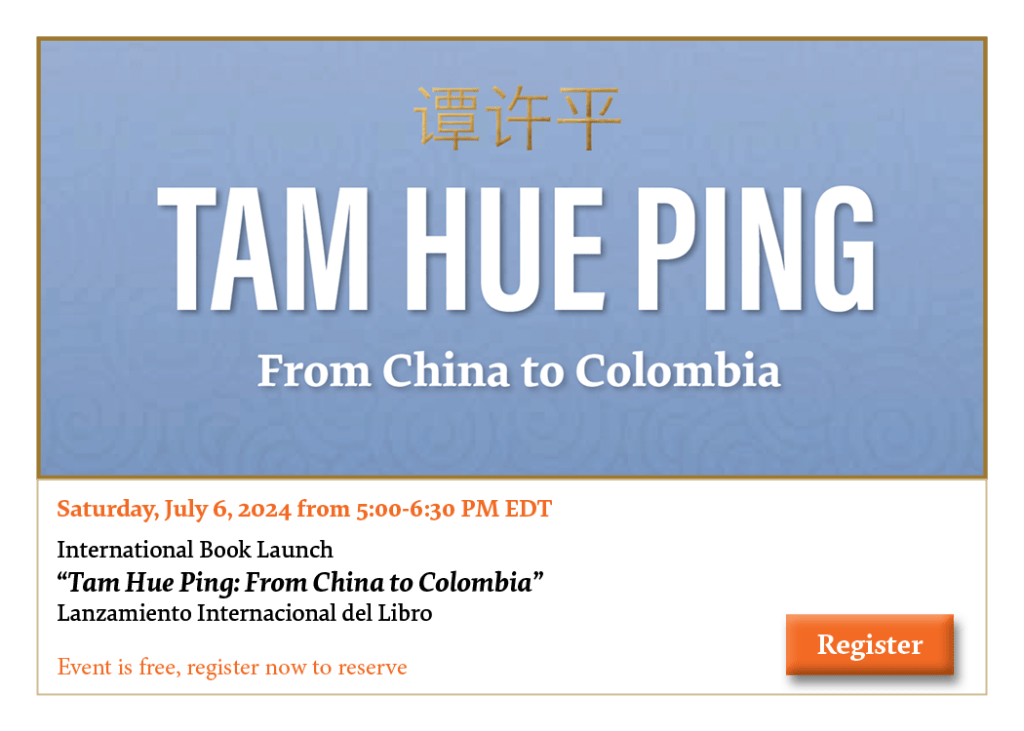
International Book Launch

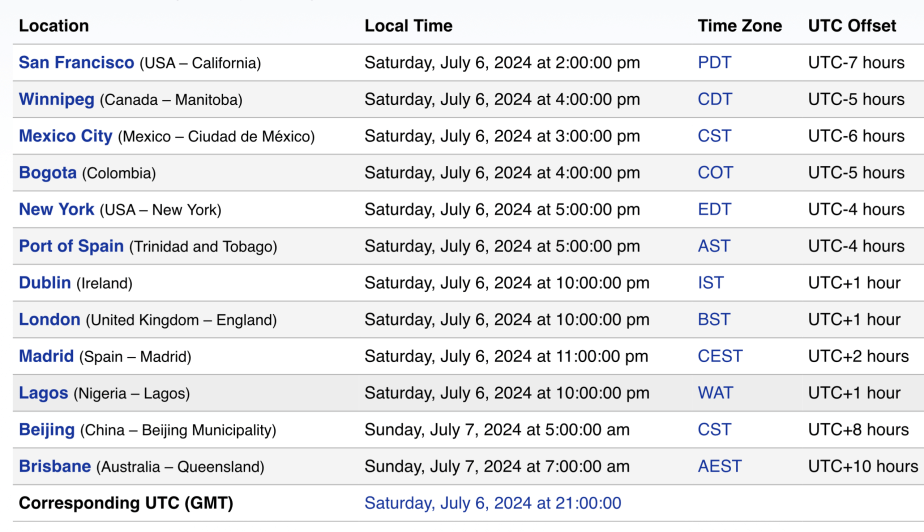
Here is a quick time zone conversion
from time-and-date

Register now with Eventbrite
to reserve your place at the Zoom event

Tickets are free

You will be reminded and directed to the event.

Note:
The Zoom event will be recorded
and streamed to Facebook LIVE on

Tam Hue Ping Fan Club 

It will be open to the general public on or off Facebook.

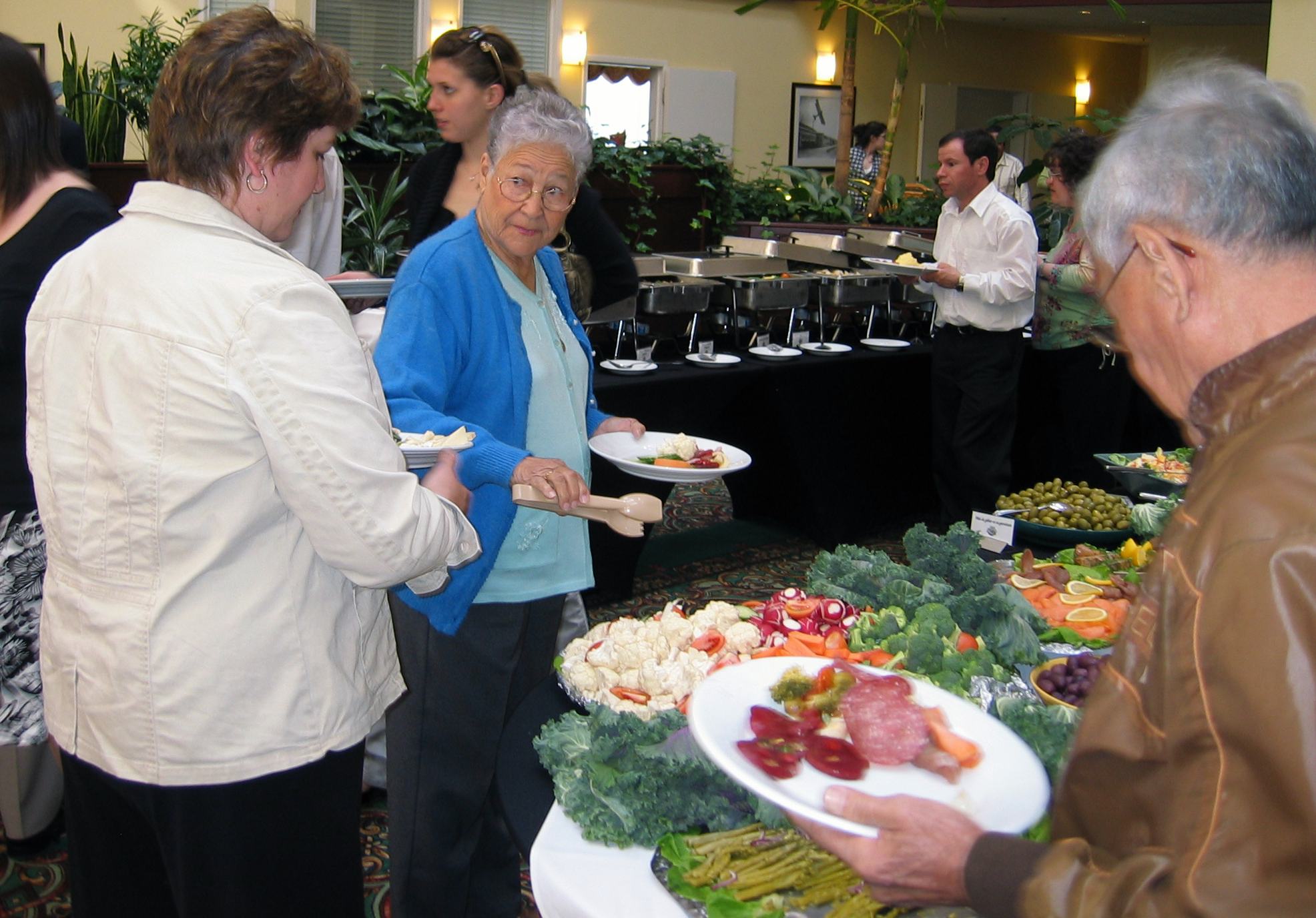
There will be some door prizes drawn
from all registered attendees at the Zoom event
and a small surprise giveaway for everyone in attendance.


Looking forward to seeing you all there.

Organize small viewing groups,
and of course, BYOB for a celebratory toast.

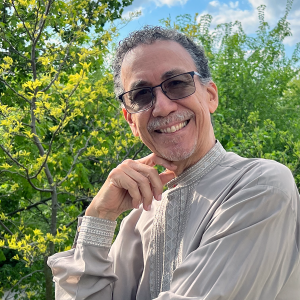
Kelvin C. Tam

Andrew Lue-Shue

For more information:
About the book and the man

The author’s website

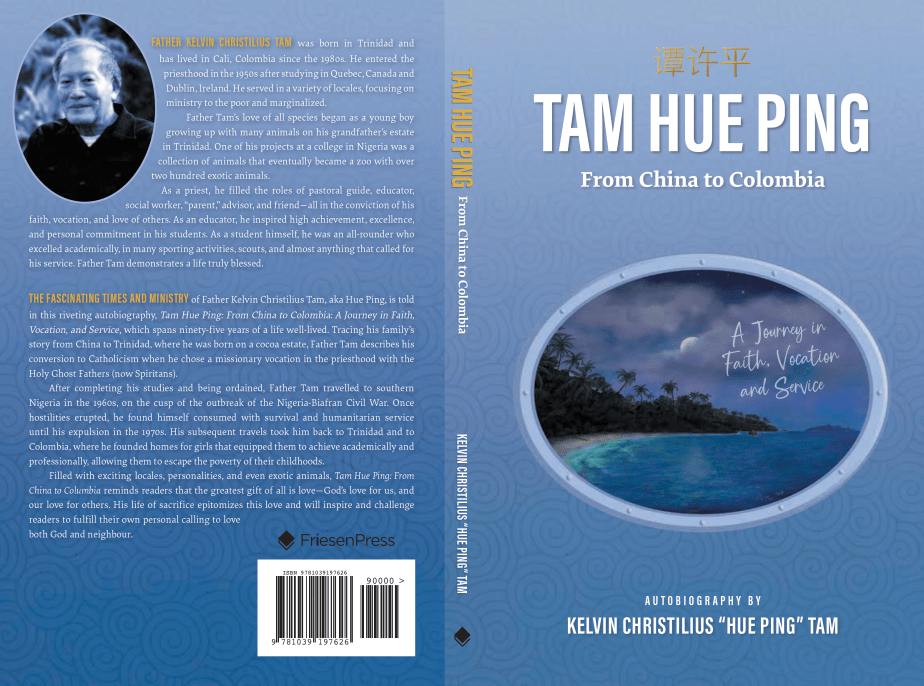
Tam Hue Ping: From China to Colombia

A Journey in Faith, Vocation and Service

Tam Hue Ping

The Book, the Man

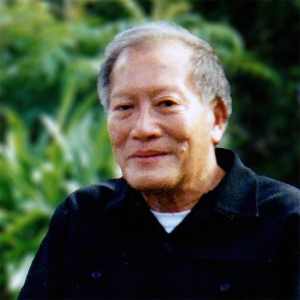
Father Kelvin Christilius “Hue Ping” Tam’s autobiography, Tam Hue Ping: From China to Colombia—A Journey in Faith, Vocation and Service, is now published. Not only is Father Tam’s life story striking in its richness and its scope, it also reveals the depth of his personal, spiritual and professional engagement in the service to others. His autobiography clearly demonstrates that his deep respect for the people with whom he has established relationships over his long life is at the core of his being and of his vocation. His life story is punctuated with his concern for the well-being of others and their successes in life. He assumed many roles in his priestly mission including that of a pastor, educator, motivator, “parent,” social worker, mentor, friend, and even zoo keeper. 

Father Tam’s vocational engagement is contagious in its power to inspire. I never met him in person and have only been in contact with him virtually for the last four years. Although I knew of him as a school friend of my dad, I did not know much else about his life. After Dad died in 2020, my sister gave me a letter from Father Tam dated 2008 which she found among dad’s belongings. That letter spoke about some genealogical research indicating how, via his mother’s family line, he and Dad had a common ancestor from Guangdong Province in China. There was an email address in the letter, and since I am already invested in my own family tree research, I seized the opportunity to connect with him. We have since maintained a regular correspondence. Two years ago he shared with me the unpublished manuscript of his autobiography. On reading it, I was consumed by a desire to share his life story. I discussed my impressions with him and he offered me the editing and publishing rights. Without batting an eyelash, I accepted, and the rest is now history. I knew nothing about the book publishing business, but here I am, inspired, determined and trusting in the mysterious workings of the universe. Strangely, I have a subtle lingering sentiment that Father Tam knew all along that he could trust me with his autobiography. I even promised him that God willing, I will one day have it translated into Chinese. His response, tinged with nostalgia, was—Andrew, I always wanted to visit my family’s homeland, perhaps, at my age now, that is how I will do it

The book covers his life, from his childhood on his grandparent’s cocoa estate in Manzanilla on Trinidad’s East coast; his primary and secondary education in Port of Spain; his noviciate in Quebec; his seminary and university life, and ordination in Dublin, Ireland; his first educative mission in 1960 in Nigeria, and his desperate participation in a coordinated international effort to feed millions of starving civilians in the Nigerian-Biafran civil war of 1967-1970; his return to a post-colonial era Trinidad where he served, among other tasks, as principal of St. Joseph’s College, St. Joseph. He also founded a home there for children with intellectual disabilities. Then following the desire of his missionary heart to return to social work, he has served since the 1980s as an errant priest in the mountains around Cali, Colombia. Here he eventually founded three homes for girls living in dire circumstances, offering them at the same time a family life and a full education. Father Tam tenderly refers to them as his “children.”  They too respond in kind: on hearing one of his “children” who he eventually brought over from Trinidad call him “Daddy,” they all started to call him “Padre Daddy.”

This autobiography of Padre Daddy is not only about the amazing life journey of one man, but that of the people he knew throughout his life. Through humility and reverence, Father Tam has clearly brought them all to centre stage, allowing his own underlying quest for excellence to become a key to their own successes. True success is shared achievements, and Father Tam made his life by motivating and inspiring excellence and success in others. Such is his loving nature. His Chinese name, Hue Ping implies promise of peace, and peace is clearly the cornerstone of his life—he understands profoundly that real peace blossoms out of the love of God and of neighbour. His life journey is his message. Hopefully, his autobiography will inspire you also to contemplate the meaning of success in your own life.

Here are two excerpts from Tam Hue Ping: From China to Colombia.

  • From his recollection about a dear friend from Ireland.
    Note: his friends call him KC.
  • From his missionary work at the Paternoster Secondary School in the town of Kwerazu, Nigeria

Tam Hue Ping: From China to Colombia is published by FriesenPress.
For more information and on where to purchase the book online:
The author’s website

My compilation of online store links

If this story has touched you or sparked your curiosity, please leave a comment below, and/or share this article. If you wish to have more information, please do not hesitate to contact me.

You may also visit our Tam Hue Ping Fan Club page on Facebook.

Remembering Simon

I love Simon, and I dedicate this memory to him. My encounter with Simon in Montréal’s Chinatown about twelve years ago was one of the strangest and most exalted moments in my life. I had noticed an announce online for a Group Meditation for World Peace at the unique and beautiful Palais des Congrès de Montréal (Montréal Convention Centre) and decided that I had to attend. From what I recall, it was organised by a group from an ashram somewhere outside of the city. It was a beautiful and sunny Saturday morning, and to my surprise, there were over a thousand attendees at this event that lasted well over two hours. Since I have attended similar meditations before with other groups, I mostly knew what to expect, and quickly felt very comfortable in the crowd. There were music, chants, and even some dance in the ceremonies leading up to the guided meditation. With the crowd, we flowed with the ambiance and joyous mood of the moment. The group meditation was very powerful, profound and moving, and by the end of it, I was totally relaxed and light-spirited, a somewhat familiar experience as I meditate daily. But that day, something else occurred, and I was spiritually transported and transformed. I felt as if I was outside of my normal self: there was me, and then, there was my body. We were distinct, and yet complete, in an acute and crystalline spacial awareness. I felt illuminated and filled with joyous loving energy. 

At the end of the assembly, I decided not to take the metro access from within the convention centre, but to take advantage of the beautiful weather outside, and walk around the area radiating the euphoria I was feeling. As I stepped out unto the cobblestoned streets of Chinatown, I was so focused on my feeling of etherealness that I was hardly noticing the other people on the street. Suddenly, from the corner of my eye, I glimpsed a shabby old beggar sitting on the side of the street, but I continued on my way. Then it hit me—Wait, I have never seen a Chinese beggar before. My mind edged on before me—perhaps he is my Chinese grandfather. Note that my grandfather was a businessman and grocer, and that he died before I was born, so the thought startled me. After a couple hundred feet or so, I suddenly made an about turn and headed back to the beggar; to offer him some of the light and love with which I felt imbued. 

I crouched down next to him and smiled. I said—Hello, how are you? He looked at me curiously and smiled back, flashing a lonely pair of brown rotted teeth. Offering my hand, I continued—I am Andrew… what’s your name? He responded—Simon. I asked him from where he came, and he told me that he was from an indigenous tribe in Ontario. I regret that I did not pay more attention, and sadly have forgotten the details. We spoke for a while before I reached into my pocket, and offered him all the small change I had, which was probably not much more than a dollar. There I was, feeling so special and important, offering my light, love and some money to this beggar, when he flashed me another of his toothless smiles as his eyes lit up like moonbeams. They locked directly unto mine for a few seconds, drawing out any pretensions I may have had before then. I was immediately overwhelmed by a luminous energy of love, by far more powerful than anything I had ever experienced, or that I could have ever offered him. It is possible that what transpired at that moment was simply a reflection of my own energy, but I doubt it. I knew at that moment that this man, who was only a stranger to me some moments before, was now forever engraved in my soul. Yet, I felt somewhat abashed, perhaps a bit panicked, and I quickly thanked him and moved on.

I returned to Chinatown a few times soon after that, hoping to see Simon again. Alas, I was never to lay eyes on him again, and I have no idea what became of him. However, my memory of him is indelible, and he comes back faithfully to my mind at moments when I flirt with doubt, or with the thought that somehow love is lacking in my life. I understood from my encounter with Simon that love is unconditional, infinite and absolute, and that it is the guiding principle of everything in the universe. Also, this encounter was a milestone in my life as a lesson on humility that I dare never forget.

Nonetheless, I did see my Chinese grandfather in the corner of my eye that day, and it was he who guided me to Simon. I have since made granddad a living presence in my life through my meditation practice, along with a chorus of my other ancestors, and my deceased friends and benefactors. I know I met an angel in Simon, and wish him well if he is still alive, and au revoir, if he is now among my deceased benefactors. I love you, Simon, we are friends for eternity.

To all the Simons out there
who go everyday unnoticed,
may your angel light shine
through cracks in the walls of ignorance,
and awaken from slumber, the wings of compassion.

Andrew Lue-Shue, July 2023

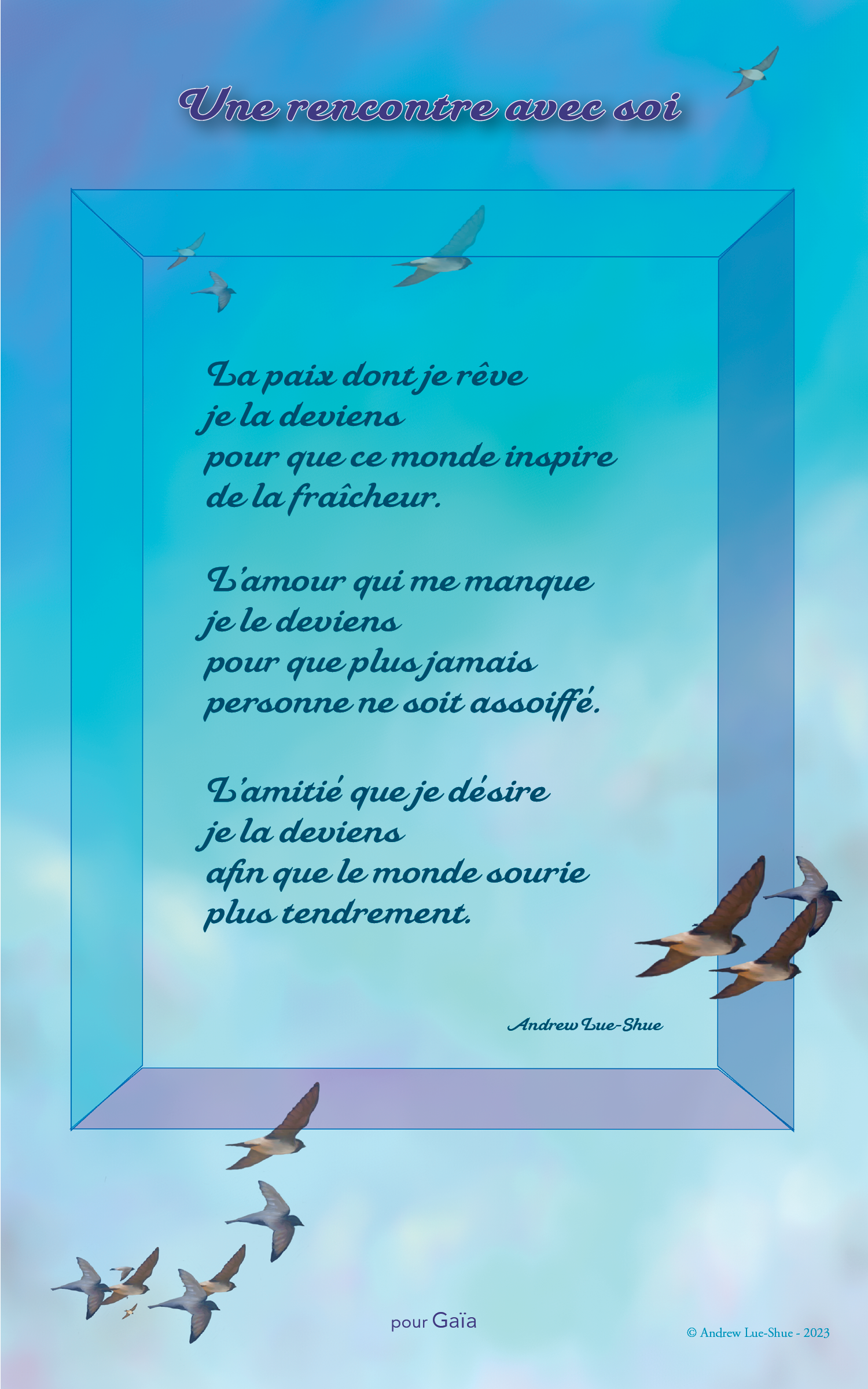
La paix dont je rêve…

La paix dont je rêve… est dans l’harmonie qui m’habite;
— c’est sur les ailes qui me soutiennent dans un élan de liberté;
— c’est dans des sentiments de gratitude et de compassion;
— c’est le besoin de voir la justice assouvie dans le monde.
La paix dont je rêve est une rencontre avec soi.

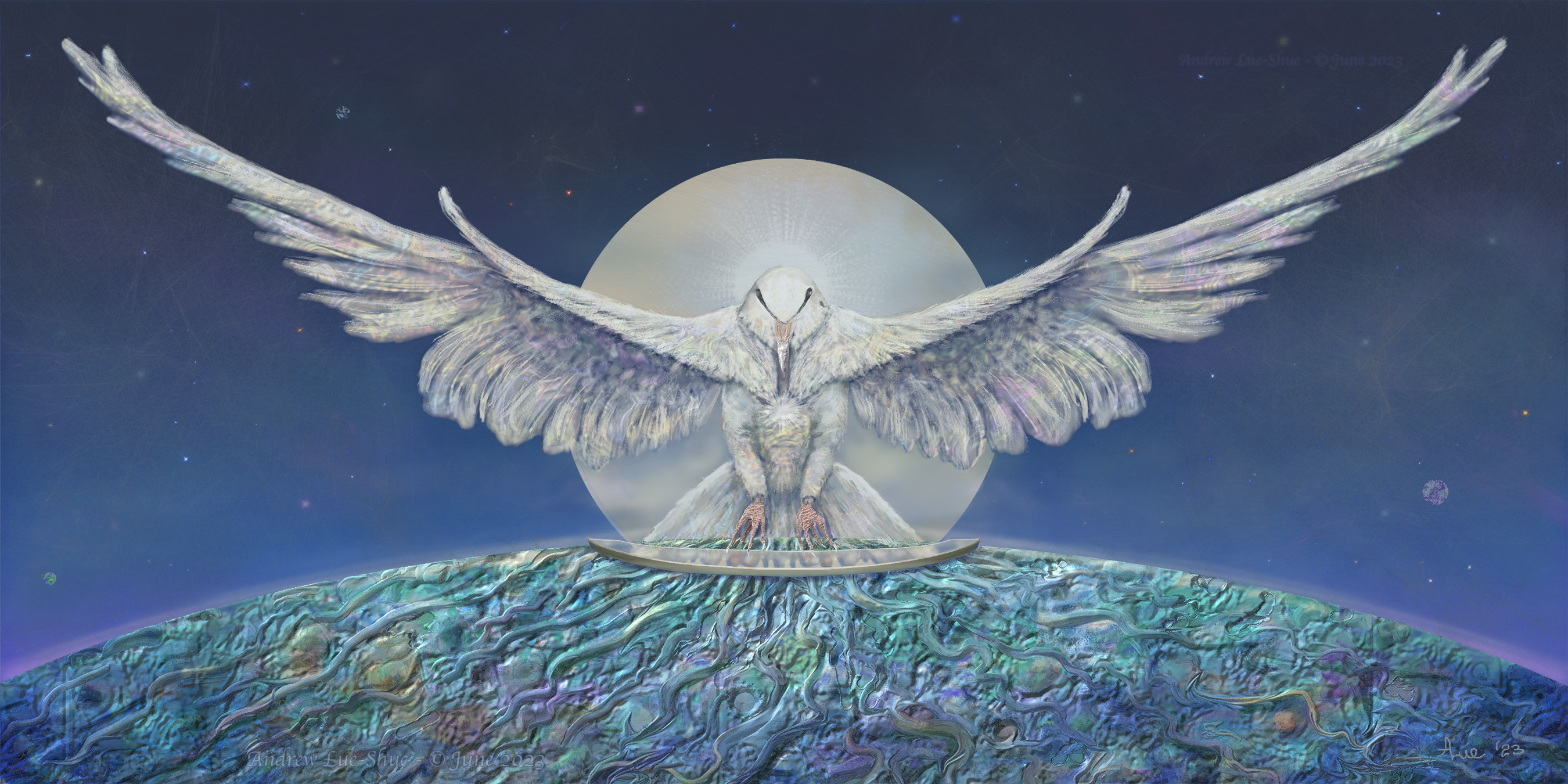
Wings of Peace
Original digital painting— June 2023
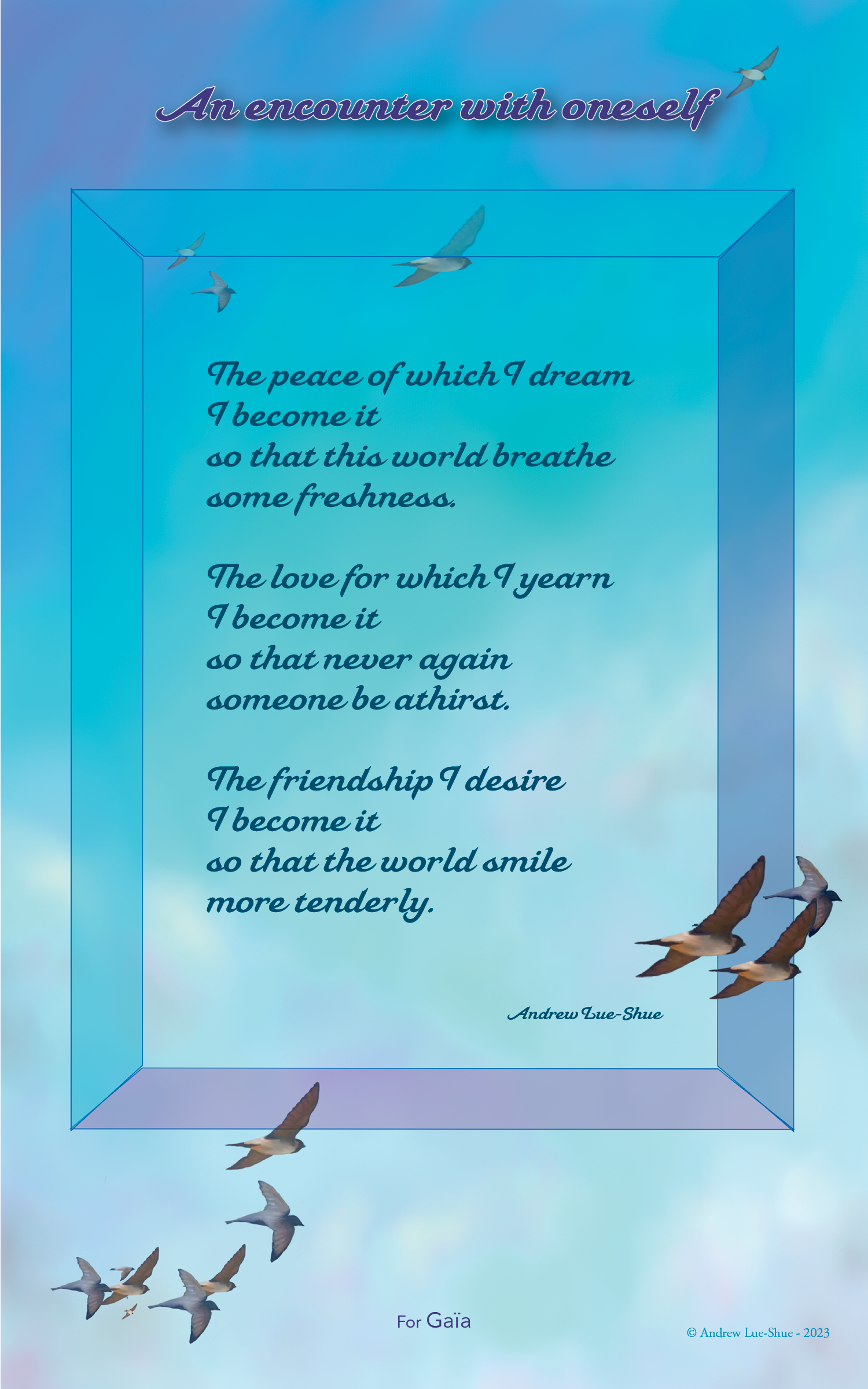
The peace of which I dream… is in the harmony that lives in me;
— it is on the wings that support me in a burst of liberty;
— It is in sentiments of gratitude and compassion;
— it is in the need to see justice satisfied in the world.
The peace of which I dream is an encounter with oneself.

La paix dont je rêve… est un poème intemporel ;
— c’est une image qui brille toujours dans le ciel ;
— c’est une mélodie pulsée par le cœur ;
— c’est le désir de voir le monde avec des yeux souriants.
La paix dont je rêve est une rencontre avec soi-même.

The peace of which I dream… is a timeless poem;
— it is an image always aglow in the sky;
— it is a melody pulsing from the heart;
— it is the desire to see the world with smiling eyes.
The peace of which I dream is an encounter with oneself.

Cliquez pour agrandir

Click to enlarge

Click para agrandar

La paix dont je rêve… est l’air que je respire ;
— c’est le sourire engageant le regard d’un étranger ;
— c’est la beauté inespérée des choses ordinaires ;
— c’est la magie d’être ici et maintenant.
La paix dont je rêve est une rencontre avec soi-même.

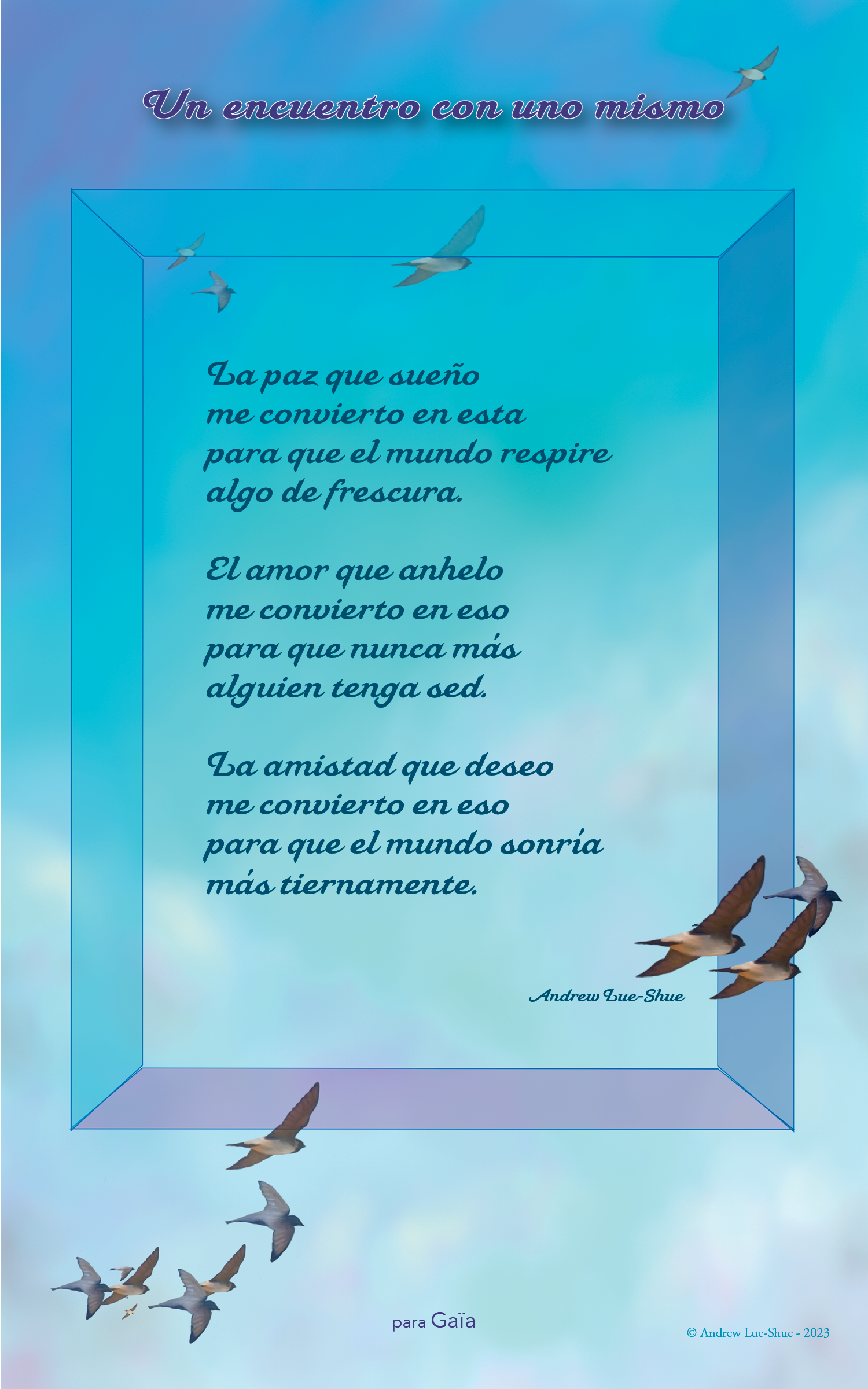
La paz que sueño … es el aire que respiro;
— es la sonrisa que atrae la mirada de un extraño;
— es la belleza inesperada las cosas ordinarias ;
— es la magia de estar en el aquí y ahora.
La paz que sueño es un encuentro con uno mismo.

The peace of which I dream… is the air that I breathe;
— it is the smile engaging the gaze of a stranger;
— it is in the unexpected beauty of ordinary things;
— is the magic of being in the here and now.
The peace of which I dream is an encounter with oneself.

Andrew Lue-Shue

World peace must develop from inner peace. Peace is not just mere absence of violence. Peace is, I think, the manifestation of human compassion.

— Dalai Lama XIV

Si ce blog vous inspire, n’hésitez pas à ajouter dans la zone de texte ci-dessous quelques lignes de votre propre réflexion sur la paix dont vous rêvez…
Si vous écrivez dans une langue autre que le français ou l’anglais, veuillez inclure une traduction.

If this blog inspires you, please feel free to add in the text box below a couple lines of your own reflection on the peace of which you dream…
If you write in a language other than French or English, please include a translation.

Go back

Your message has been sent

Warning
Warning
Warning
Warning.

Réflexions des visiteurs / Visitors’ reflections:

J’ai une grande soif de justice et de liberté ; j’ose croire que l’harmonie en moi irradie en chaque personne que je rencontre, comme un souffle sous les ailes de la bonne volonté.—Michel Dupuy

La paix dont je rêve, c’est cette espace de silence en moi-même. C’est cette connexion à l’autre sans devoir parler, par un simple regard. Ce sont nos cœurs qui irradient de lumière, de chaleur et de bienveillance. Laisser de côté notre ego pour se sentir dans la vibration collective ou chaque minéral, végétal , animal et humain retrouve sa vraie essence à travers le  coeur. —Geneviève

♥

Chaos and Hope

These two paintings, one on canvas and the other, digital, are from the same spirit. Both represent Chaos and Hope as converging realities where the endgame in the resolution of conflict is always positive and beneficial. Both offer spiritual illumination and wisdom as a path to Peace and Harmony. The path is via equanimity, inherent in coexistence and non-judgment. It is in the understanding that all things influence each other, and that the power of presence and awareness is a universal vital force that is in alignment with Divinity and Goodness. This vital force moves light as well as darkness, life as well as death, goodness as well as evil. Peace comes from knowing which alignment is beneficial in the long term.

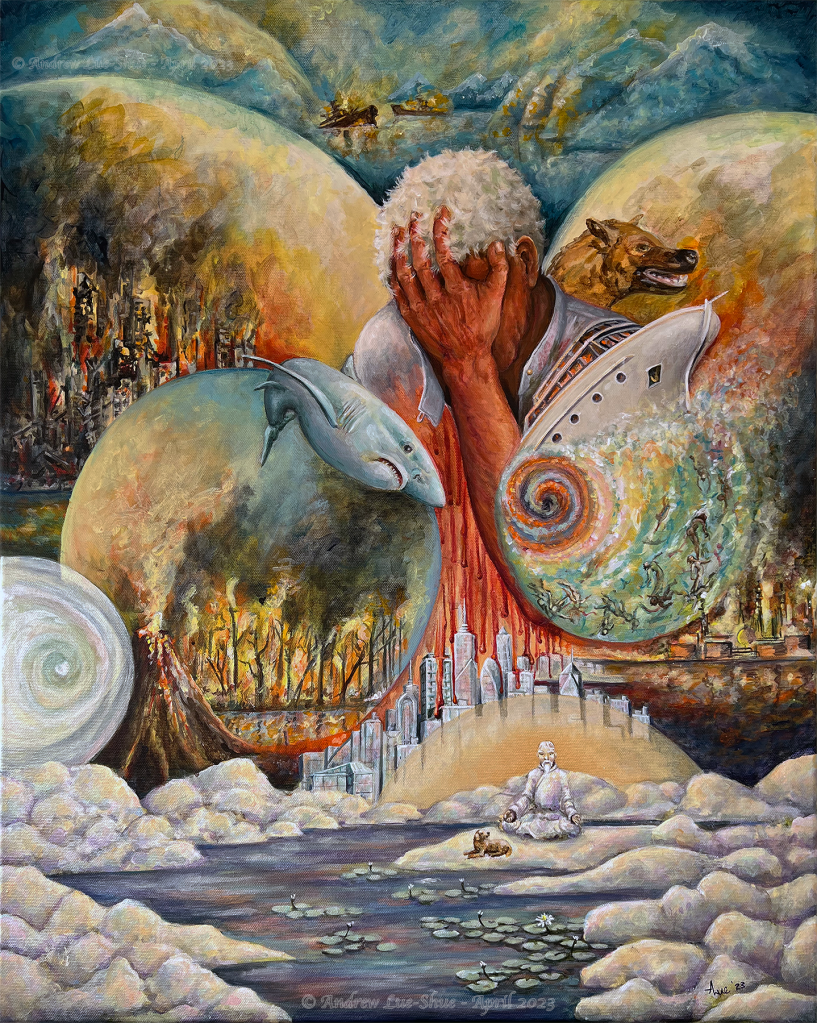
Converging Realities – The Emergence of Being
Acrylics on canvas 24″ X 30″
April 2023

In Converging Realities – The Emergence of Being, multiple realities converge, yet coexist in a flattened timeline in a pictorial compositional division of four to one. Dark despair, chaos, and destruction are dominant in the upper square area (4/5) of the painting. Those realities range from old sea battles to modern bombed-out cities; from the mindless exploitation of the earth’s resources underlying the mercurial climatic changes that lead to killer cyclones, flooding, disastrous droughts and burning forests to the excessive unhealthy pollution of our air and waters. They are also in shining glass-towered metropolises that defy the gravity of an unfortunate human disconnect with Nature, and reflect, at the same time, monumental greed oozing from the sullied hands of indulgent individualism and consumerism. Near the centre of this multifaceted world in crisis is a vortex, rotating in an anticlockwise direction, and churning out much death and destruction. We are literally drowning in our own excessive obsession with wealth and privilege.

The bottom fifth of the painting expresses illumination of the human spirit coexisting harmoniously with the other realities, but from a space of deep consciousness. A golden aura radiates from a lone meditator, symbolic of divine presence. A second vortex appears on the left, rotating in a clockwise direction like a light warm breeze gently moving inland. The calm, powerful and radiant energy of this space mollifies the oil polluted river running through it, and allows a white lotus to bloom, symbol of purity, wisdom and resilience.

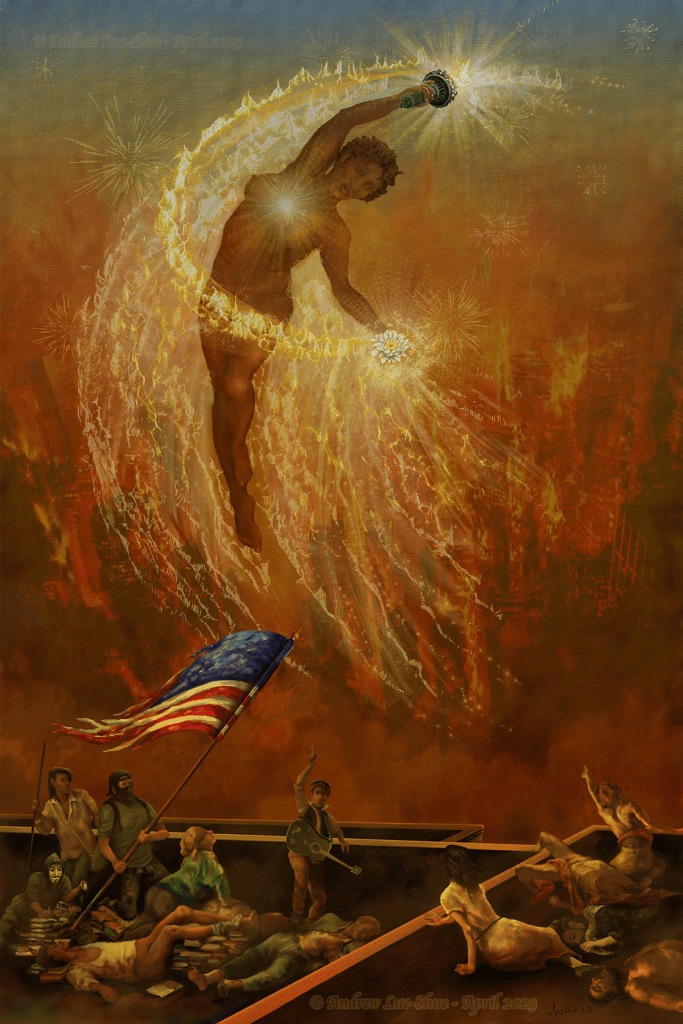
Phoenix’s Rising – Christina’s Woken
Original digital painting
April 2023

Phoenix’s Rising – Christina’s Woken: In a hypothetical near future, Chaos may seem victorious after defeating Liberty, the allegorical goddess-figure immortalized in Eugene Delacroix’s famous romantic era painting, Liberty Guiding the People, which represented the political upheavals in France during the early 1800s. Here the political upheaval is projected onto the American continent, where ironically, the Statue of Liberty, a gift of the French Republic, stands guard over all of Western Democracy. The potential death and destruction in any eventual civil conflict today are accentuated by some morbid images taken from Théodore Géricault’s The Raft of the Medusa. Another icon, taken from an American artist, Andrew Wyeth’s Christina’s World, symbolic of a traditional American ruralism, reinforces the resilience of the democratic spirit. With Liberty imaginably defeated in the flames of destruction of America’s great metropolis, she spectacularly reincarnates as Phoenix, rising out of the ashes, and bringing hope through light. Phoenix, with her gift to us of a large white lotus flower, symbolic of her wisdom and resilience, represents a not-so-new American ideal, and perhaps, a new democratic world order. She offers testimony and hope to American indigenous peoples, African-American descendants of enslaved people, all immigrants and refugees to America, then and now, from lands across the globe. She shows that perseverance in holding on to one’s dream, commitment to integrity, and sacrifice of immediate and superficial pleasures often follow a long and winding road to self-realization. Like the lotus flower that blossoms out of the mud, those that finally arrive home, understand that the route to get there was the real prize.

This blog is dedicated to my dear deceased friend, Rosie Sapadin, a French holocaust survivor, whose disposition, authenticity and gentleness despite her early challenges and later health issues will always be an inspiration to me; to Tirtzah, and our meditation group in Delray Beach, Florida, who allow me the space to grow and to share my idealism, my love and my conviction that we all can contribute in building a better world, one thought, one word, one action, one relationship and one community at a time.

Blessings,
Andrew
Pax, Lux et Amor

Please feel free to share your comments and your impressions below.
I invite you also to visit the different rooms in my Art Gallery.

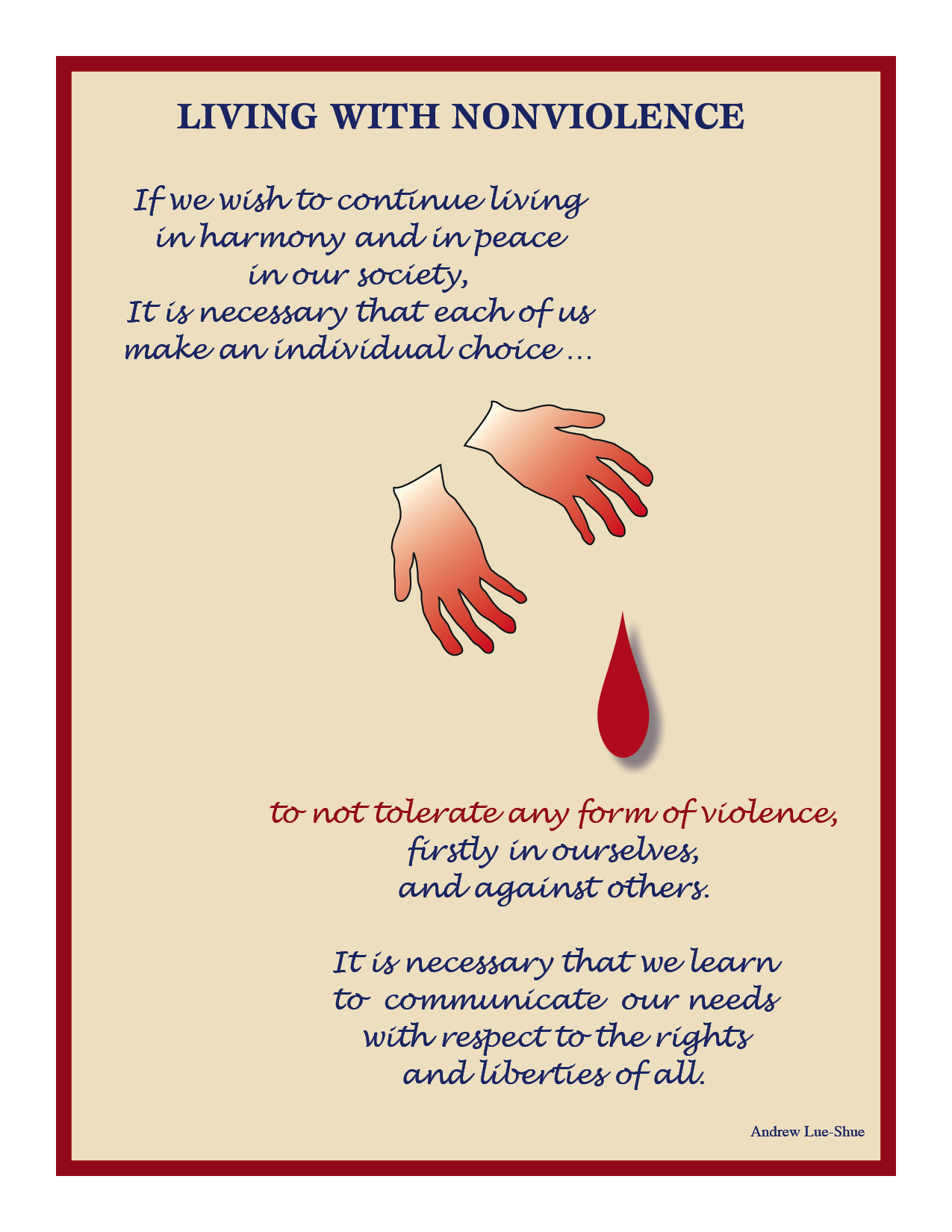
Nonviolence: a Path to Survival, Peace and Unity

I originally published this article on nonviolence many years ago on Facebook Notes. It was subsequently republished by Joanna Haynes on her website Caribbean Inspired …Globally Wired, under the section Men and their Stories. I think it is appropriate and necessary to publish it anew here on my “Peace Blog” given the palpable disquiet over the growing threat to the health of modern democracies provoked by the war in Ukraine and the many other fuming hotspots elsewhere across the planet.

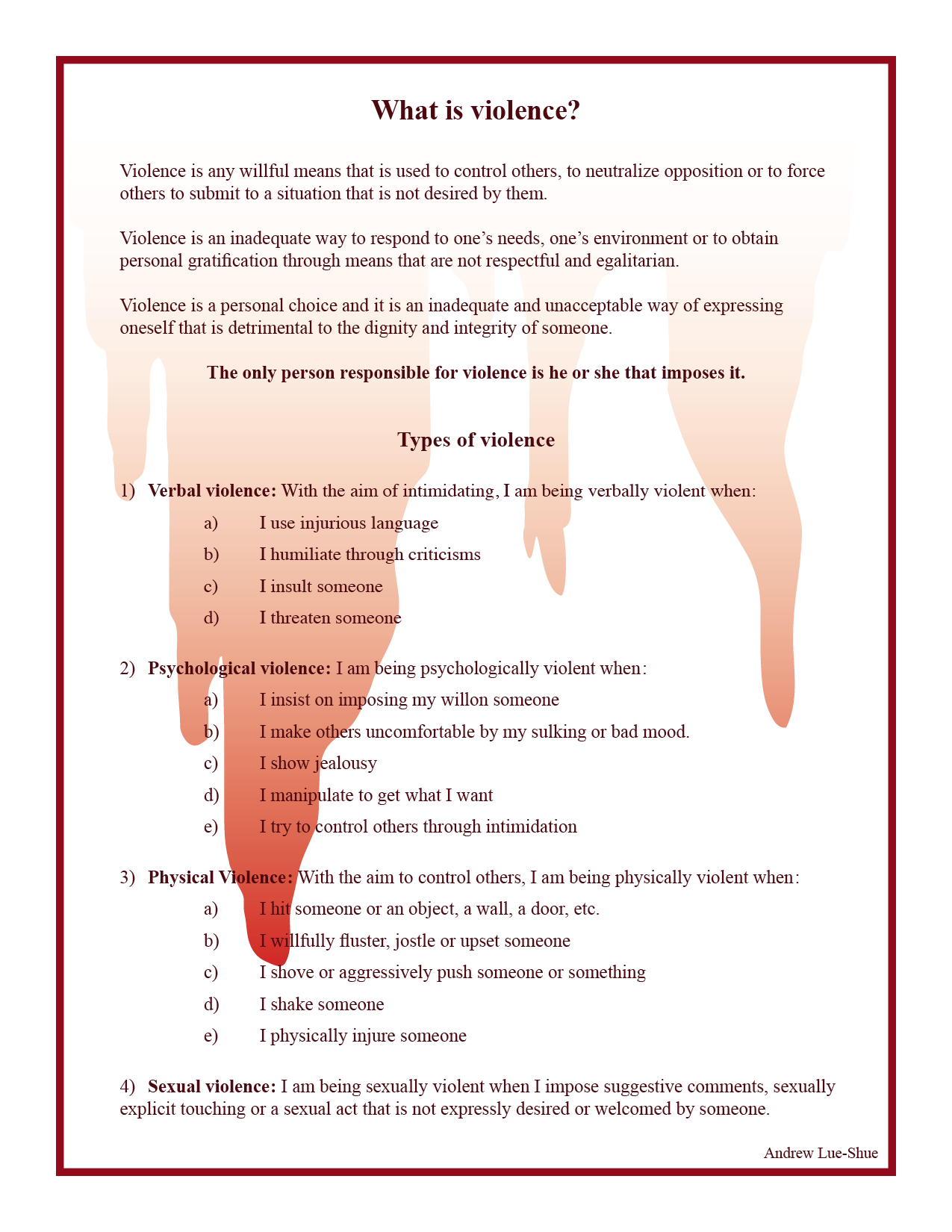
Click to enlarge the image

We cannot truly walk the path of nonviolence and hope for durable peace until we come to terms with the violence that is both in us and around us. Violence has become so much part of our daily lives that many of us hardly even notice the insidious impact it has on our physical and mental health, as well as on our spiritual well-being. It is everywhere, in the media, on our streets, in our work places, in our schools, in our homes and sometimes in our intimate relationships. Many of us may or may not be aware of how, when and why we use violence as a means to satisfy our own needs. Some may not recognize that an unease they experience may be a result of violence. All violence is based on some inadequate strategy that is used to satisfy the need to control others. Perhaps it is in raising your voice to intimidate and impose your will; or sulking in order to manipulate compliance; or playing the victim to solicit sympathy or to make someone feel guilt; or in the attitude of the schoolyard bully that finds power through intimidating those he or she perceives as weak.

Whatever its form, an act of violence demonstrates a deficit in the ability to know and to communicate one’s emotional needs. It also shows a lack of respect for the integrity of other beings. It reveals weak self-esteem and limited self-awareness in spite of projected outer appearances. However you look at it, violence rides an immoral “low” road to desolation and chaos. On the contrary, self-restraint, ascends the moral “high” road to self-fulfillment and peace. The energy wasted in trying to control others would be better invested in controlling oneself wherein the dividends are vastly superior at all levels.

Many people have a limited perspective on what violence is and may see it only in its most dramatic manifestations. Violence has many different faces and may appear quite differently in a war zone than it would in a monastery. However, its roots are from the same soil: non-respect of one’s higher nature and the nonrecognition of the other as being part of the same divine consciousness. Our culture’s obsession with the physical world has created an uneasy separation of body, mind and spirit which conceals the unity inherent in universal order. 

Click to enlarge the image

When we understand that each one of us is a complex and organized system of cells, intelligent microorganisms and conscious energy; that we are an integral part of that magnificent system we call the universe; that our existence in this present moment occurs at the intersection of micro and macro universes, we will begin to see that all violence is malignant to our spiritual evolution and ultimately to our survival as the human race. I offer you a more holistic definition of violence that infers the element of spiritual unity. 

Violence is any thought, word or action, conscious or subconscious, that does not recognize the just value of a person (including oneself), of an animal or of all living beings including insects, trees and plants.

I consider “the just value of a person” as each living being’s existential right to dignity, integrity and the liberty to achieve his, her or its fullest potential. Consider that the ant and the bee are also systemic beings that function, like us, in a communal system and that they also play a vital role in our survival and that of the planet. From this perspective, animals, intelligent and sentient beings that they are, also possess personhood and like us, have evolved relatively complex communities for their survival. “Just value” also applies to the environment, for which deep respect flourishes from the understanding of the vital role nature plays in maintaining our well-being and our survival, individually and collectively. The endearment inherent in the terms Mother Nature and Mother Earth celebrates a symbolic ‘personhood’ of Nature and thus accords her rights. We cannot follow the path of nonviolence without experiencing the awe, the appreciation and the gratitude that comes from the realization that we are part of a living planet and a conscious universe; that we are part of the divine.

Nonviolence is not just an idea that preaches no violence, but a conscious commitment to follow a spiritual path to peace and self-realization. Where the shadow of violence is moral weakness, the light of nonviolence is spiritual strength. It is here, in the light beyond the shadows that we connect, you and I, united as spiritual brothers and sisters.

Andrew Lue-Shue
originally published in February 2017

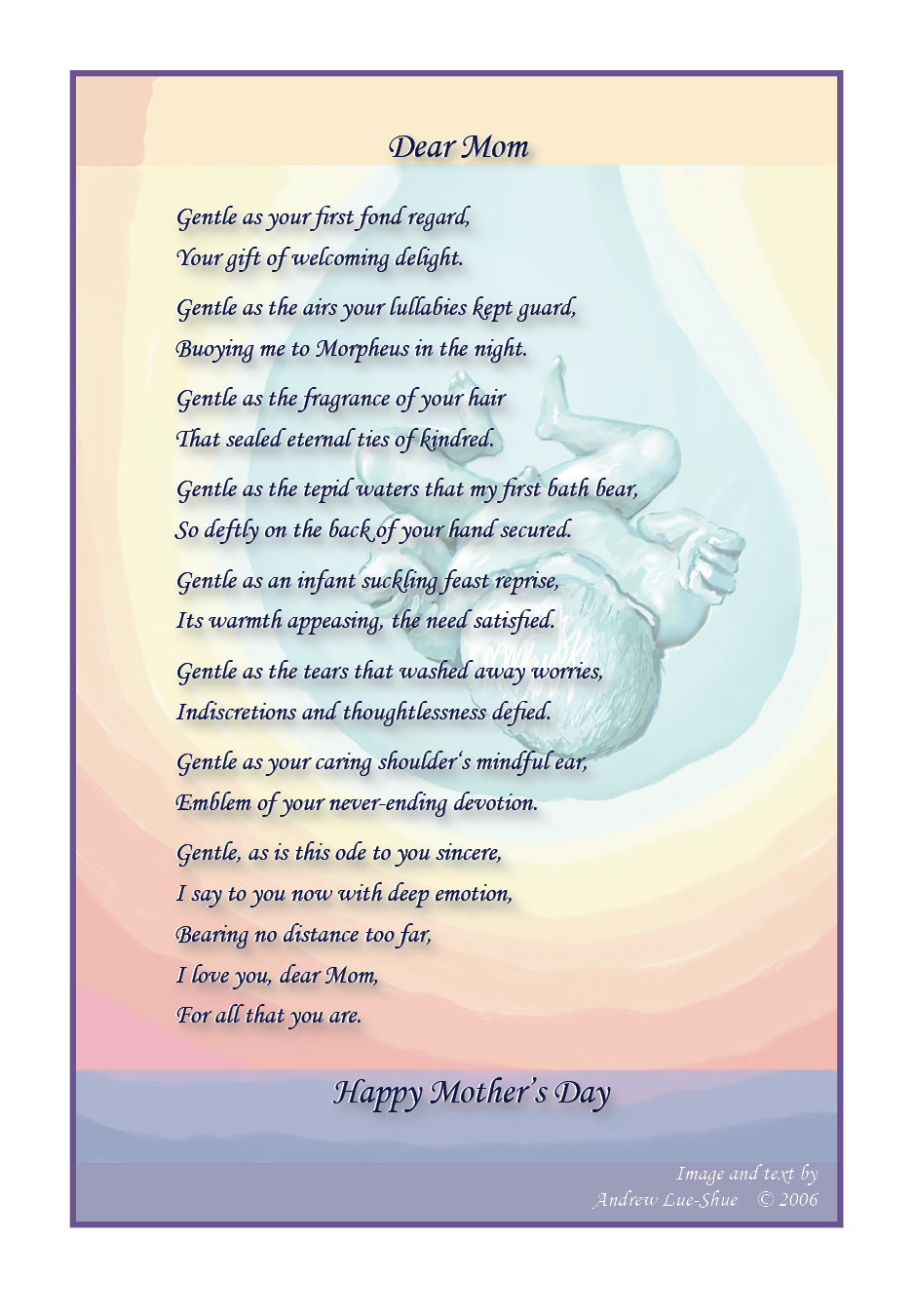
Dear Mom

Cliquez ici pour la version française du poème

Dear Mom, I wrote you this poem for Mother’s Day 16 years ago, yet the sentiments I expressed is as fresh today as it was then. Today is your 67th Mother’s Day and still counting as you continue to be Mom, not only to me and my siblings, but also to many others who had the luck to have known you. I vividly remember the teenagers and young adults in the neighbourhood on Chacon Street, San Fernando, who hung out at our home; I guess as a young mother, they responded kindly to your gentle nature. There were often kitchen activities and the smell of fresh-baked goodies in our home. I also remember the group physical fitness exercises and the sharing of knitting and crochet patterns. You were already then a role model for many, some of whom were soon to be newly wed. Perhaps this is where your cake baking and cake decorating talents developed. Mom, you were always curious, creative, generous and ready to share and to help others. I have noticed when I meet people who know you, they always speak to me about your kindness and your generosity.

Mother’s Day, Holiday Inn,
Longueuil, May 13, 2007

Mom, today I honour you…
for all that you have done to show how deeply you cared about your family, friends and all the other people with whom you developed relationships over your 95 years on this Earth. Your actions have always shown us a devoted wife and mother, a virtuous and respectful person, a patient teacher, a good listener, a good friend and always a good spirit.

You were also a good cook and an excellent chauffeur (except for the time that you let dad’s classic MG Magnette 1958 roll down the steep driveway of our new home into the ravine on the other side of the empty lot in front of the house). You were always on the road: drive dad to work at Pointe-a-Pierre for 7 AM; return home to give us breakfast, then drive us to school; do your grocery shopping; return home to prepare lunch, then drive back to San Fernando, where you parked, near our schools, in Paradise Cemetery, and where we would go on our lunch break to have a hot meal in the car; you then would return home to finish your other chores and then back on the road to pick up Dad, and then us on Harris Promenade. Not to mention the additional trips for our other activities like private tutoring, scout activities and ballet classes, etc.

It is no mystery why you won a Courtesy Car Club (CCC) badge at the club’s dexterity trials. Under Dad’s time as president of the club, you were not only secretary, receptionist, switchboard operator… and literally chief cook and bottle washer, but you also actively participated in all the rallies, driving exercises and social activities. You were and still are a real cheerleader.

Today, for Mother’s Day, I offer you another badge:
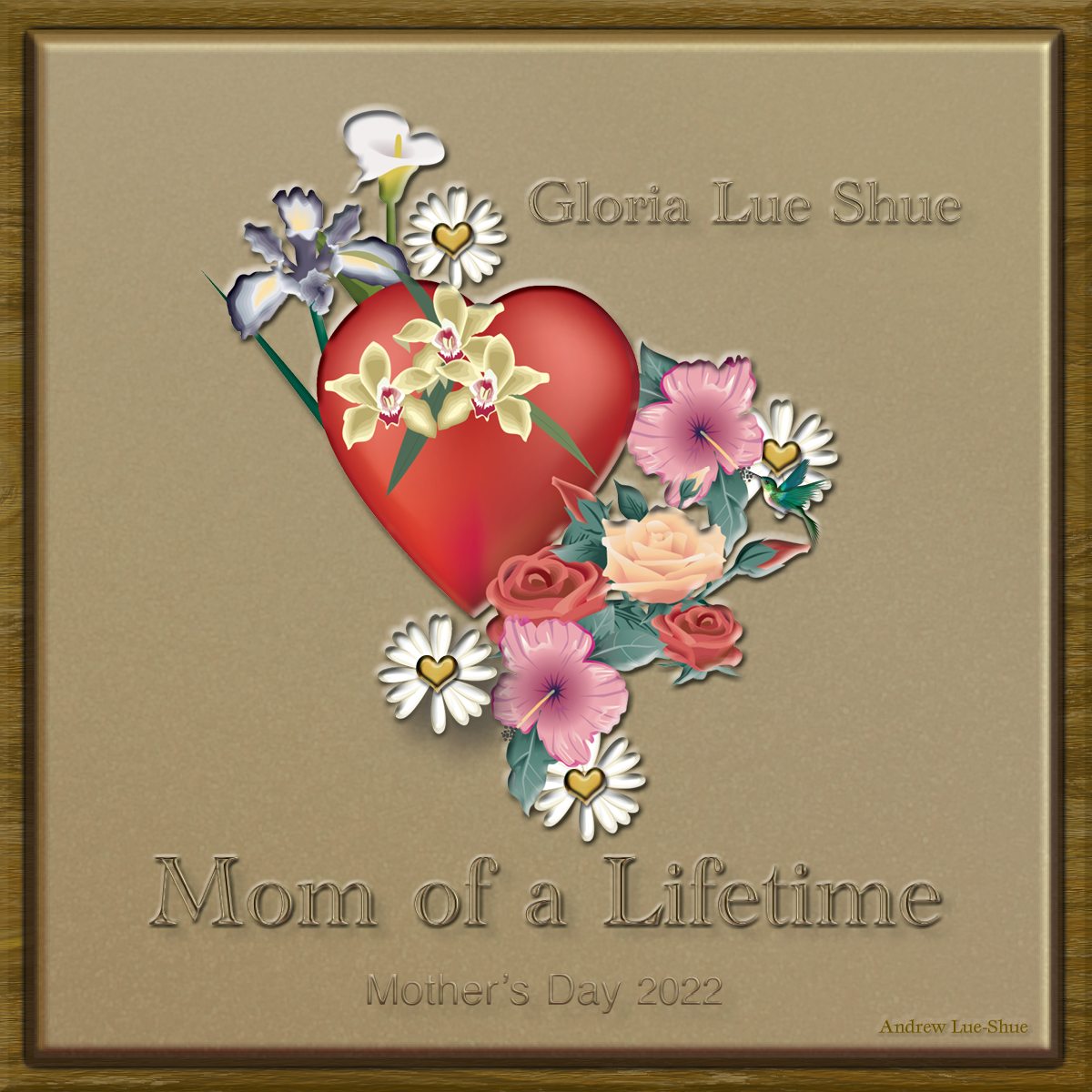
The Mom of a Lifetime Award.

Thank you, Mom, for always being there for us and for all the loving things that you have done to ensure that we understand the true value of love. You showed us, by your example, that the currency of happiness is love and self-sacrifice. Today, I pay homage to you as a way to mirror your success. Your own quest for happiness has been more than fruitful and I wish that you profit well of it. I love you forever.

Happy Mother’s Day

With love from all of us:
Your children and children-in-law,
your grandchildren and great-grandchildren.


We are not the enemy

Yes! We must not regard each other as enemies, even when our dishonourable behaviours deceive our higher selves and our ethical norms. The real enemy is our insistence to represent ourselves as separate from each other and from nature; as distant from past and future; as disconnected from the Divine Spirit. We fail ourselves when we do not recognise the inherent unity in our physical, emotional and spiritual dimensions, sustained by an intelligent and conscious universal order.  

Like the moon, we all have shadows in our nature; our dark side. Know that the beast in us thrives there, and so wisdom tells us that we must turn ourselves toward the light to reveal the best of ourselves. Do not judge the beast, yet be alert and discerning; be compassionate; understand it; tame it with light. In the universal order, the beast also serves a useful purpose: to remind us to be mindful and so to keep us on the path of illumination, of peace, of unity, of eternal love.

We lose ourselves on that path if we do not listen to compassion crying out from our souls, and know then that the pain we feel is real when bombs rain down on our brothers and sisters somewhere else than here. We are not separate. How can we not realise that the fear we try to block out from our consciousness is exactly the same fear that they are feeling?  How can we not know that our souls cry in despair when others cry in despair?  Listen quietly… look inward… accept your feelings of vulnerability; cultivate your empathy. When we look away, we cannot see that our humanity wanes as others die because of our lack of compassion. The truth is we cannot save ourselves by indifference and inaction. Tyrants evolve in the same dark cruel alleys of humanity. Our ancestors knew it and our children may pay the price.

Dear Brother, dear Sister, promise me now, while the sky is clear and the sun still shines overhead, that you will open your heart to the light and beam it back to the world through the glint in your eyes and the smile on your lips.

Peace is our nature,
if we let us be.
Its path is Love

Andrew Lue-Shue
April 28, 2022

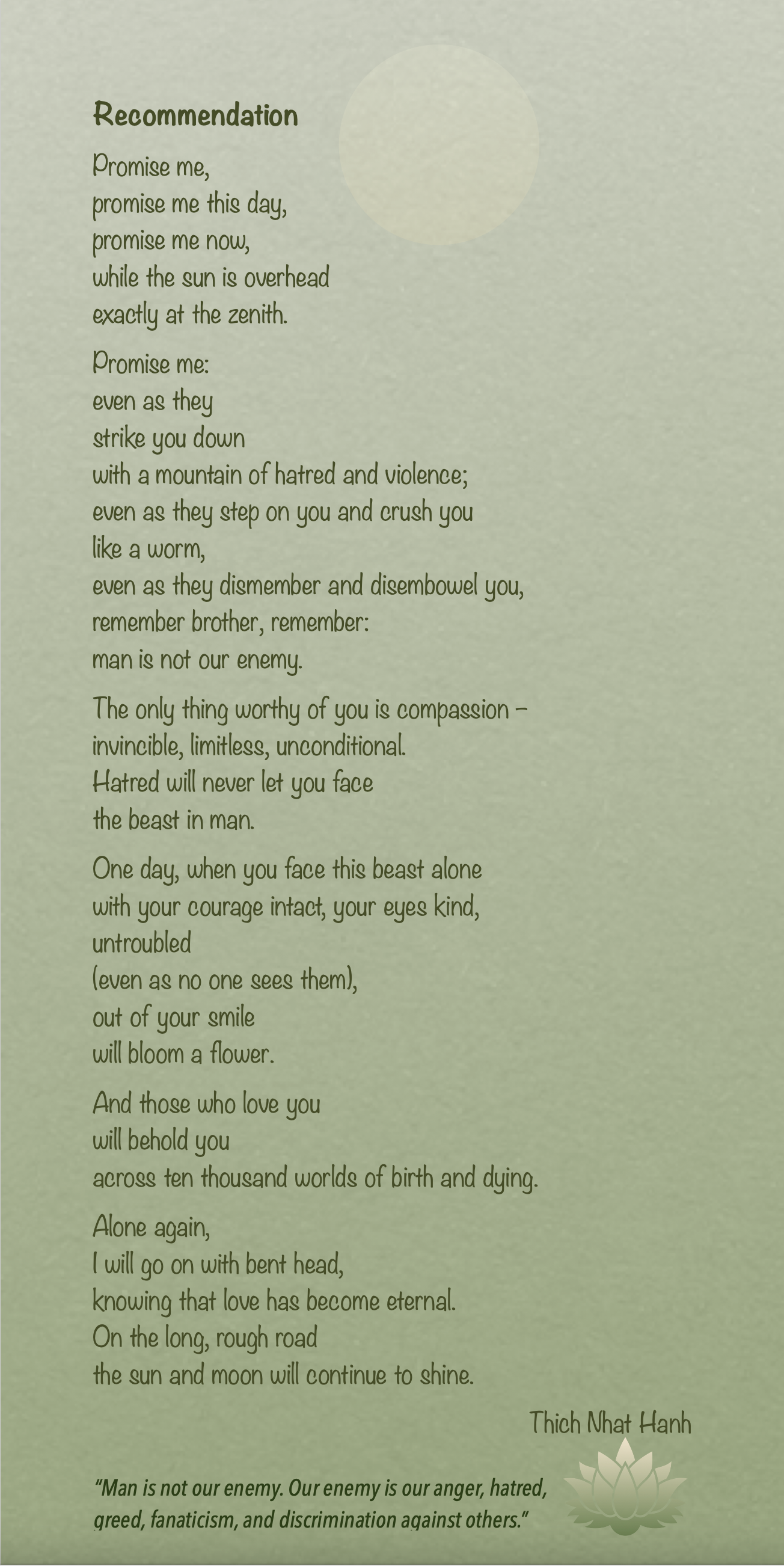
Recommendation, was written in 1965 by the renowned Buddhist monk, Thich Nhat Hanh, to his students at the School of Youth for Social Service in the midst of the brutal Vietnam War which was ravaging his country and had already claimed lives among many of these students and their families. It illustrates the core of his spiritual teachings on compassion and nonviolent action. 

Credit and thanks
to the Plum Village website and community
for permission to republish the deeply resonant poem
“Recommendation” by Thich Nhat Hanh.

Voici la version française du poème sur leur site.

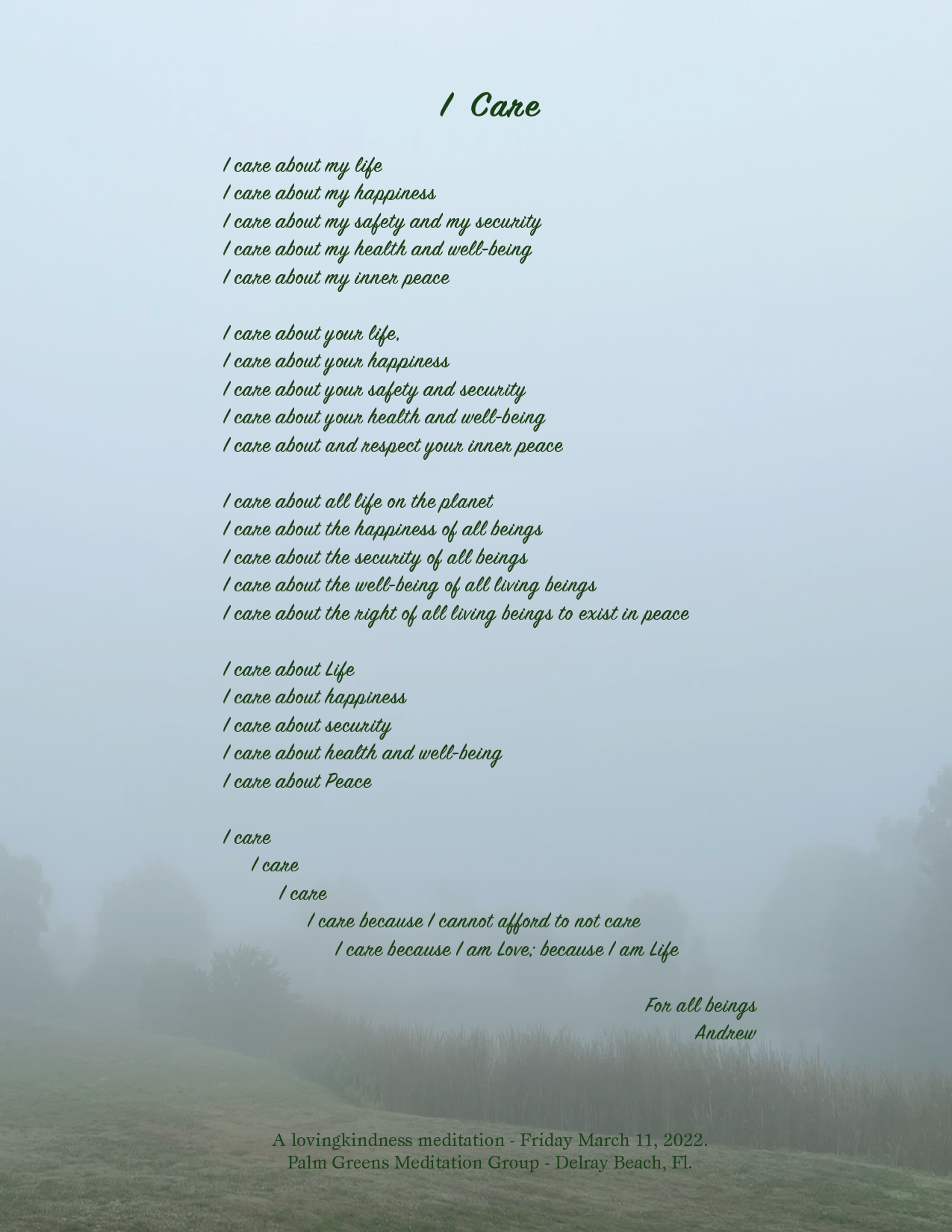
I Care

Click image to enlarge.

This is a meditation that is meant to be read very slowly with mindfulness, allowing the ‘caring‘ to generate deep sentiments of lovingkindness and compassion, and radiate from the inner being to the outer world. If you do care, please take this energy out into your communities to create a wave of healing across the planet.

Peace – Paix – Pax – Мир

To speak of peace in this way may seem insensitive to the suffering that many Ukrainians are experiencing at this very moment as their security, their lives, their dreams, their illusions … are being pummelled by the narcissistic actions of a tyrant. I recognize that this way of looking at peace may even be a radical departure from our habitual ways of responding to aggression; a primal defensive reflex of fear and anger through which our very survival could depend. Yet, there is great courage and much wisdom in the notion of Peace as being inherent in the present moment and that we may find it by accepting what is; accepting reality as it presents itself. Yes, one may call it radical acceptance, and we can perceive it in the resolve demonstrated by the Ukrainian people presently under siege. To survive, they have had no choice than to accept the urgency of their reality as it is presenting itself and they are rising up stoically to the challenge of defending themselves. Acceptance is not submission; it is acknowledgement and non-denial, reinforced with discernment and assertiveness. It is grounded in truth, and thus, would resist conspiracy theories and alternative realities.

You may argue that it is pure folly to suggest that we should accept vulnerability in the face of grave danger. I can retort that in the practice of nonviolent communication, an honest acknowledgement of one’s vulnerability can be a powerful and effective tool in disarming the threat of an adversary by appealing to his or her innate compassionate response. But that is not what is suggested by radical acceptance. I admit that radical acceptance is based on a deep spiritual point of view, and could be a difficult concept to grasp, and even more so, to put into action. It requires much effort and due diligence to change a paradigm that is deeply rooted in our primal responses. Byron Katie’s iconic book “Loving What Is” is a highly transformative spiritual psychotherapy about which she rightly calls “The work.”

Our primal reaction to a dangerous threat is fear which triggers our inherent survival toolkit of fight, flight, freeze. After all, this has allowed us to survive as an intelligent species up to now. However, fear is the antithesis of Peace, and even as a strong vibrational energy, it is still, by far, less powerful than that of peace. Although fear triggers an alert to dangers that may help us prepare an adequate defence, it could also reduce our capacity to fight by provoking an inefficient panic response. However, if it is modulated by calm presence, moral resolve and a strong will, it may give us a defensive edge in challenging an adversary, as in the story of David and Goliath. Of course, flight is always an option and the sudden flow of adrenaline may well give us superhuman speed, but in some instances we may not be able to outrun the danger. Freeze may work too, but your fear-induced heartbeat may not fool a cunning fox. Then again, the wisdom to choose the best course of action in the moment comes from peaceful presence or mindfulness. As long as a defence strategy stays within moral and ethical boundaries, it has a moral argument and the power of peace will be in its favour.

The capacity to remain in calm presence and to act with moral clarity comes through spiritual connection from the heart-space, the abode of Peace. The foundation of the heart-space is built from gratitude, joy, loving kindness, compassion, understanding and universal love. To have ready access to this connection, we must cultivate its building blocks in our daily lives. This is the foundational teaching of every religion on Earth. Peace doesn’t disappear behind the dark clouds of chaos and turbulence; it always shines through to the calm mind and the pure heart.

As you have seen, fear is a necessary survival tool; it is an emotion that instructs us about imminent dangers and prepares us to act in defence. However, as it is often the case in our busy modern lives, a state of constant fear is a serious affliction that depletes our vital energy and leaves us on a spiral of suffering and depression. Peace, on the other hand, is not an emotion, but an elevated state of consciousness. Its energy field is extremely powerful and it is impervious to the sapless energy of negative judgments. However, these judgments, usually born out of fear and ignorance, will block the path to peace and leave us more vulnerable. Negative judgments bring negative energy into our reality and weaken us. Also, Peace is not a passive phenomenon; its energy is not generated from brute force, but it radiates quietly with cosmic power.

This powerful vibrational state of Peace is sourced in the energy field of life itself, which some call God, some Light, and others, Consciousness; it is this all-powerful and intelligent energy field that manifests everything that exists in the universe. It is a universal creative platform from where we all came and to where we will eventually return. We can see it expressed in the magnificent glow of the lotus bloom that evolved from murky mud beds of a stagnant pond. We can see it expressed in the same way in the tiger and the elephant, in the dolphin and the shark, in the eagle and the dove. It is also why we can perceive it in the sunrise and the sunset, in the forest and in the sea. Peace can equally find its expression in art as in war. It is up to us, as individuals, to understand how our personal life choices, through our thoughts, our words and our actions, influence our world and create our reality.

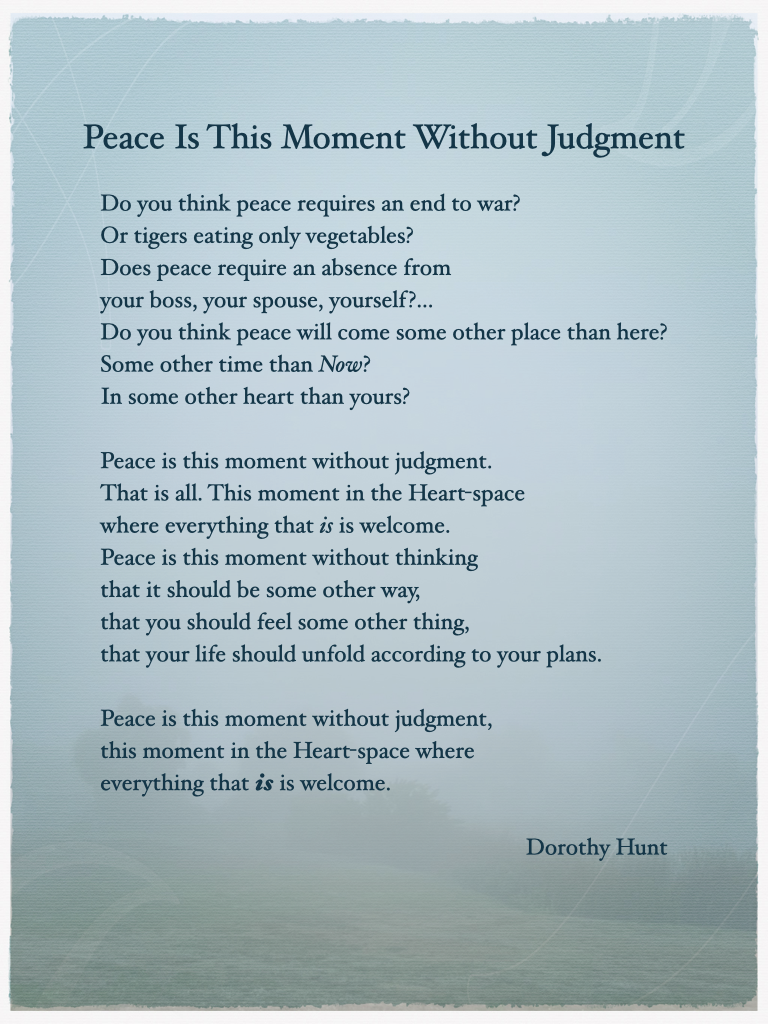
Peace is who we are at our essence, if we let it be.

May peace reign in the hearts of the people of Ukraine…
and also find a path to the hearts of tyrants.

Andrew Lue-Shue
February 2022

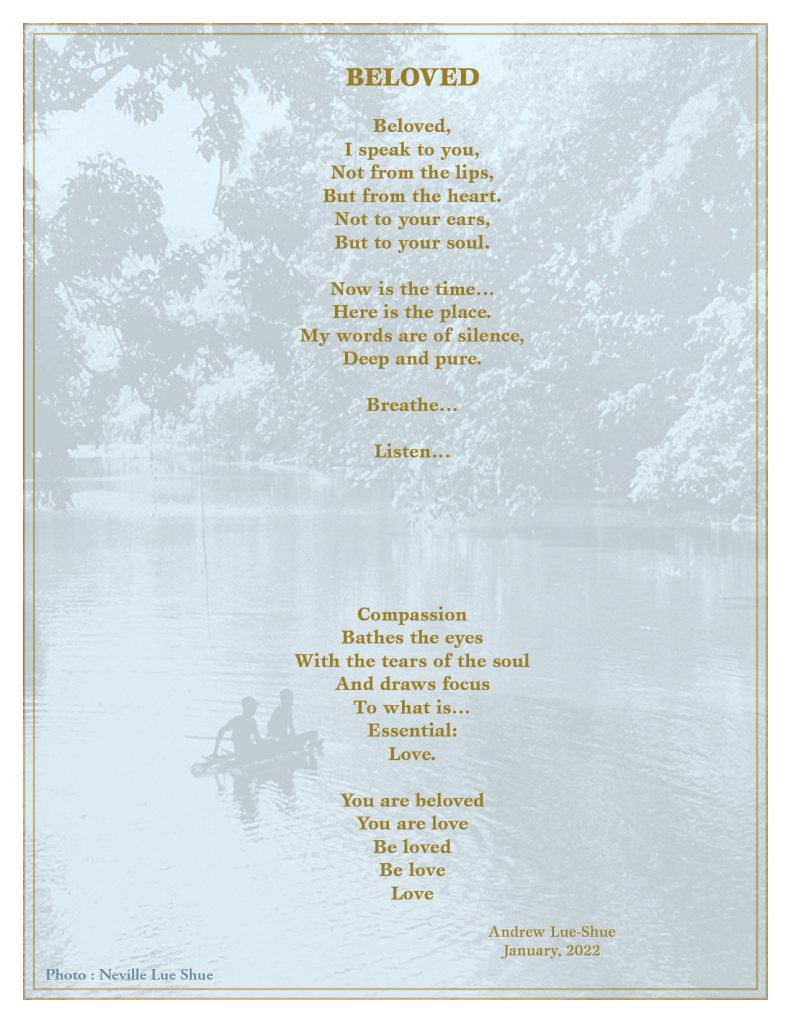
Beloved / Bien-aimé

In memory of the 2nd anniversary of the passing away of our dad,
Neville Lue Shue on January 26, 2020.

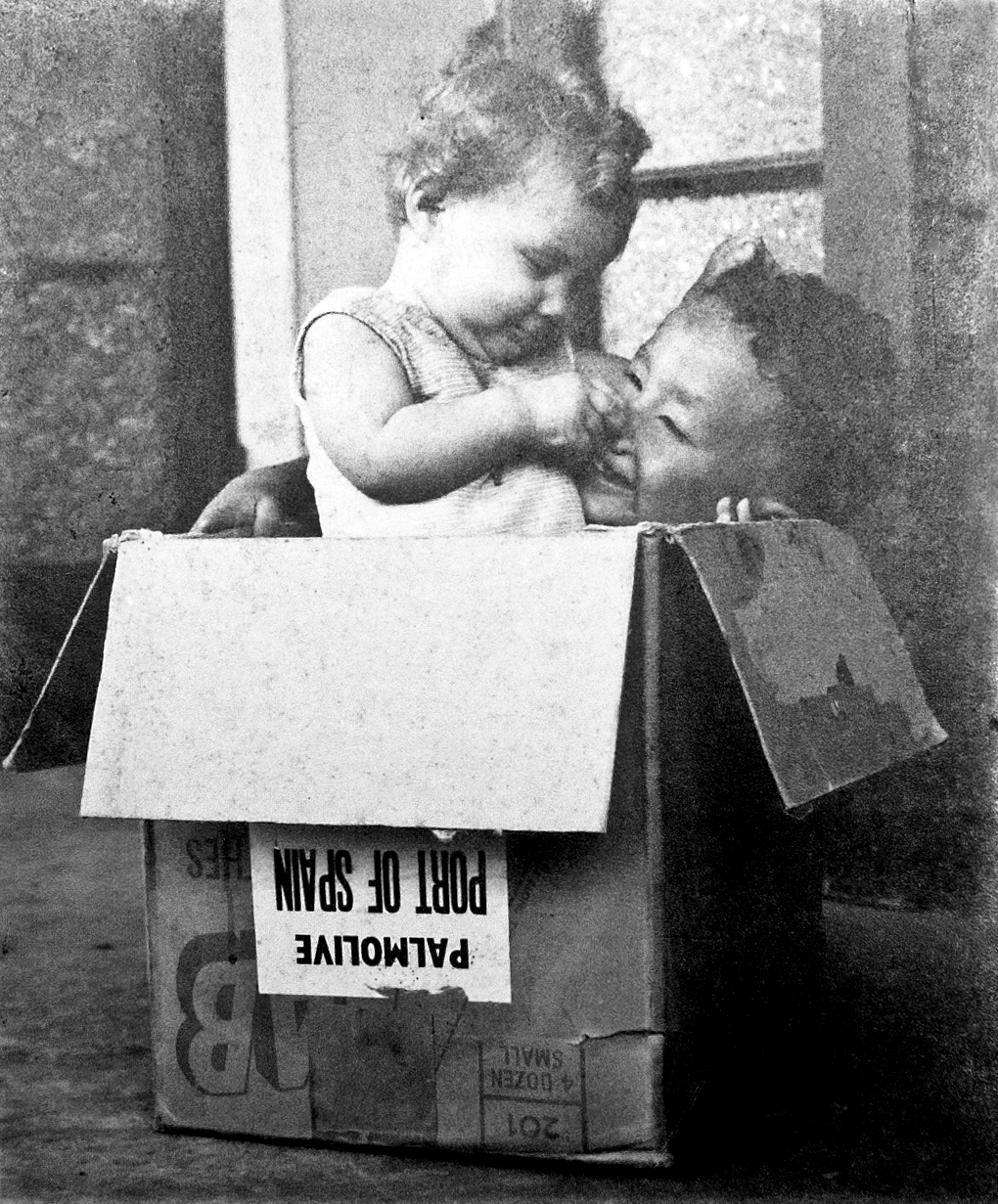
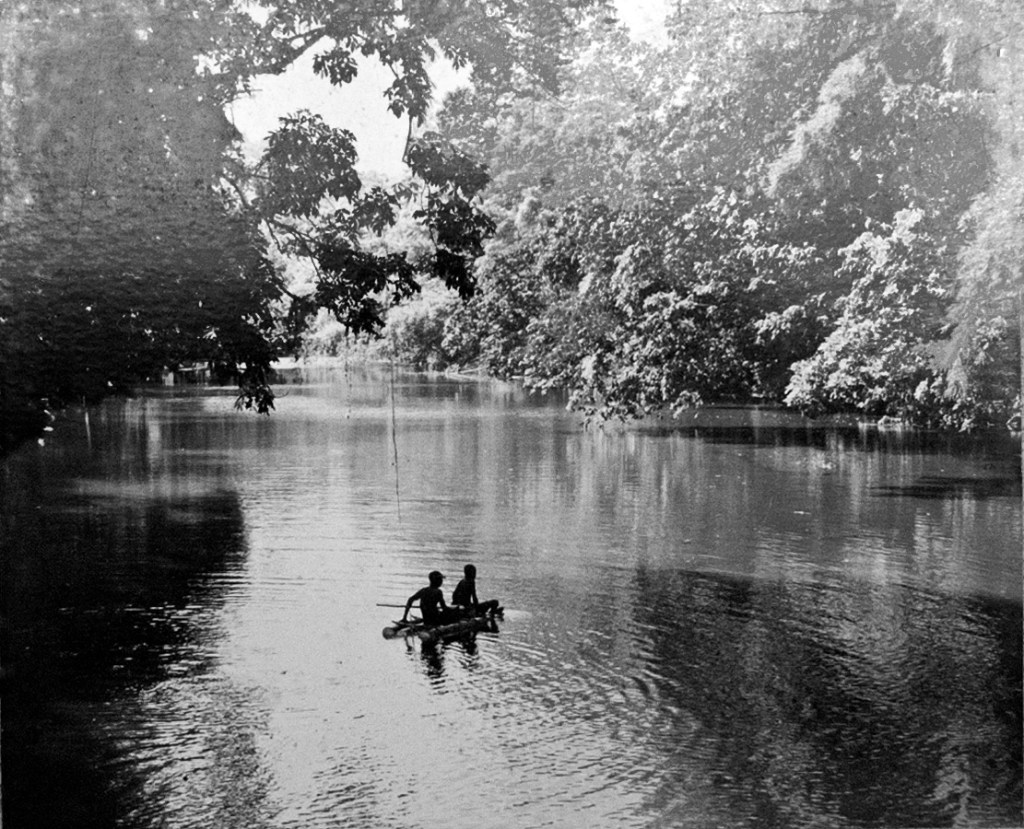
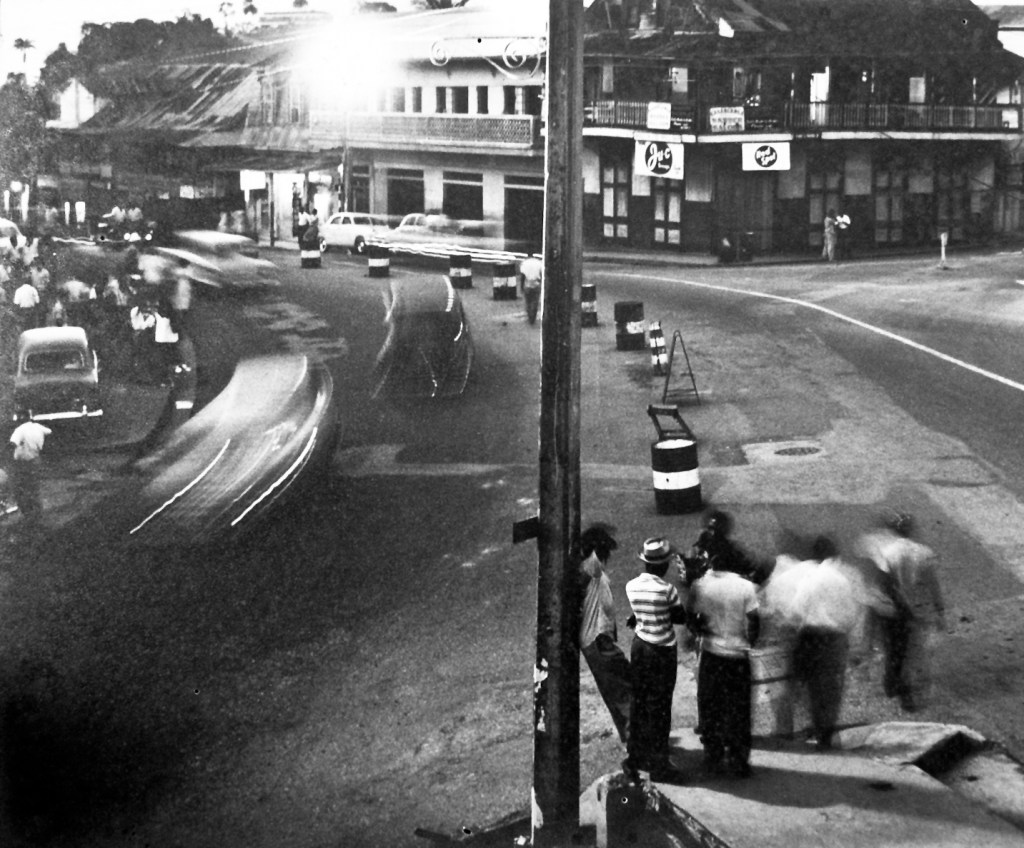
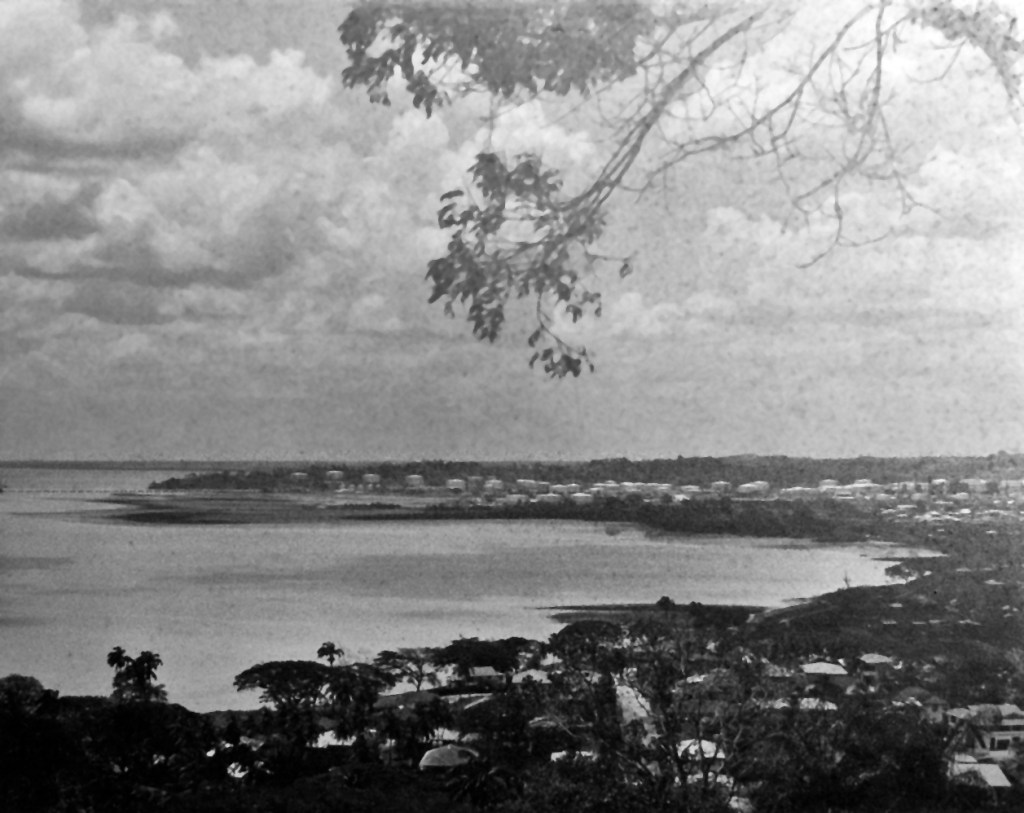
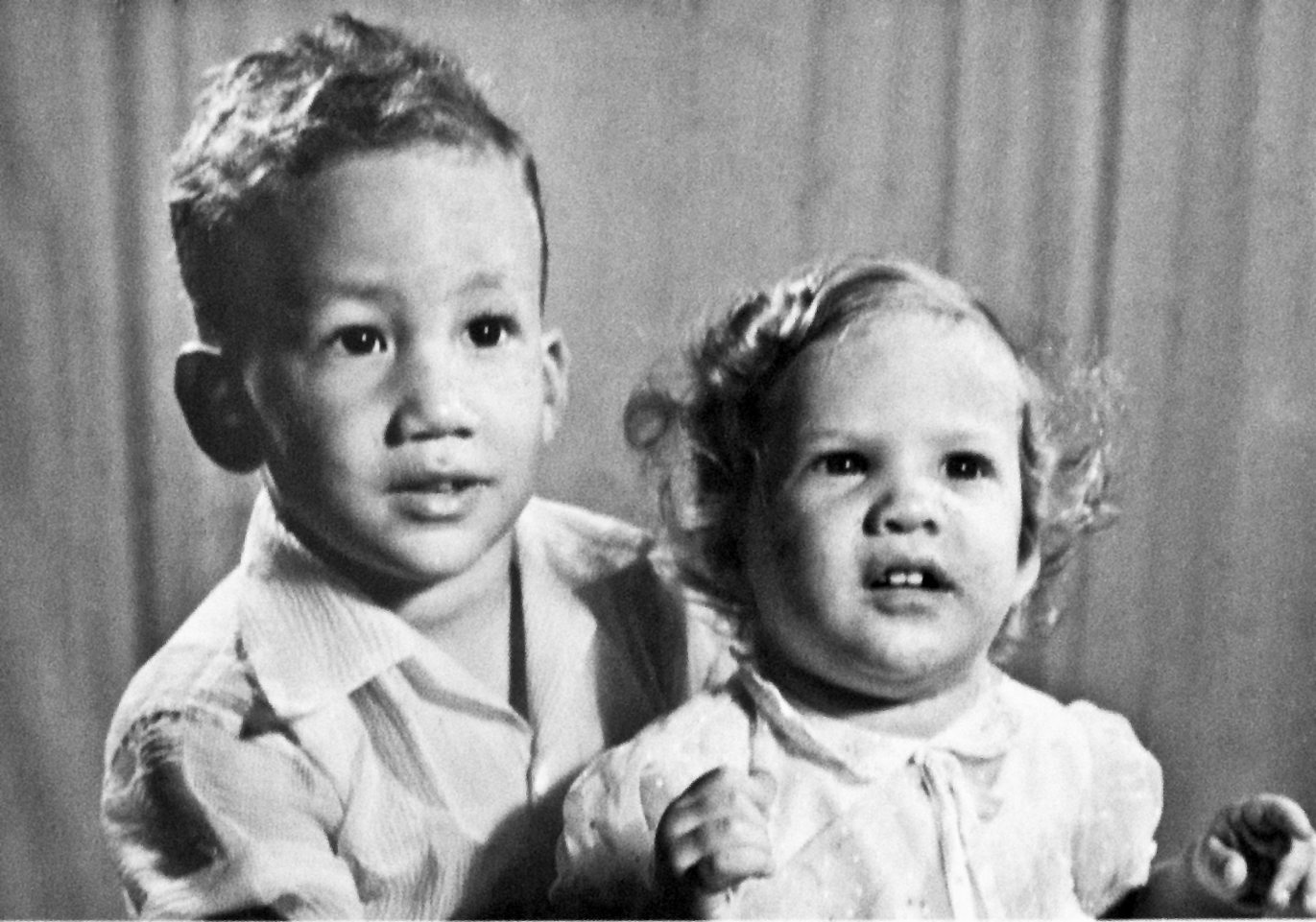
The substance of this poem presented itself to me three mornings ago while I was semi-awake in my bed. Some of it was almost word for word, but mostly it was a sentiment of presence like a faint whisper from someone yet unseen. I awoke in a particularly peaceful mood and proceeded to give form to my inspiration, knowing intuitively that it would serve my expression to Dad’s memory today. In this presentation, I added one of the black and white photos from his photography work in the earlier days of my childhood. A time from when I hold deep memories of him working in his darkroom, the smell of the chemicals and the magic of images appearing on film in the red light. I remember him giving me a Kodak Brownie camera when I was about 7 years old and then an old Twin Lens Rolleiflex camera by age 10. Dad eventually gave up photography and concentrated on camera repairs as a sideline. Although I never took up photography on a professional scale, I have always dabbled in it and once bought myself a second-hand Ricoh camera at university from a professional photographer. That camera served me very well to take slides of my artwork, much of which I have now digitized. I have also photographed some of dad’s old prints and digitized some of his own slides.

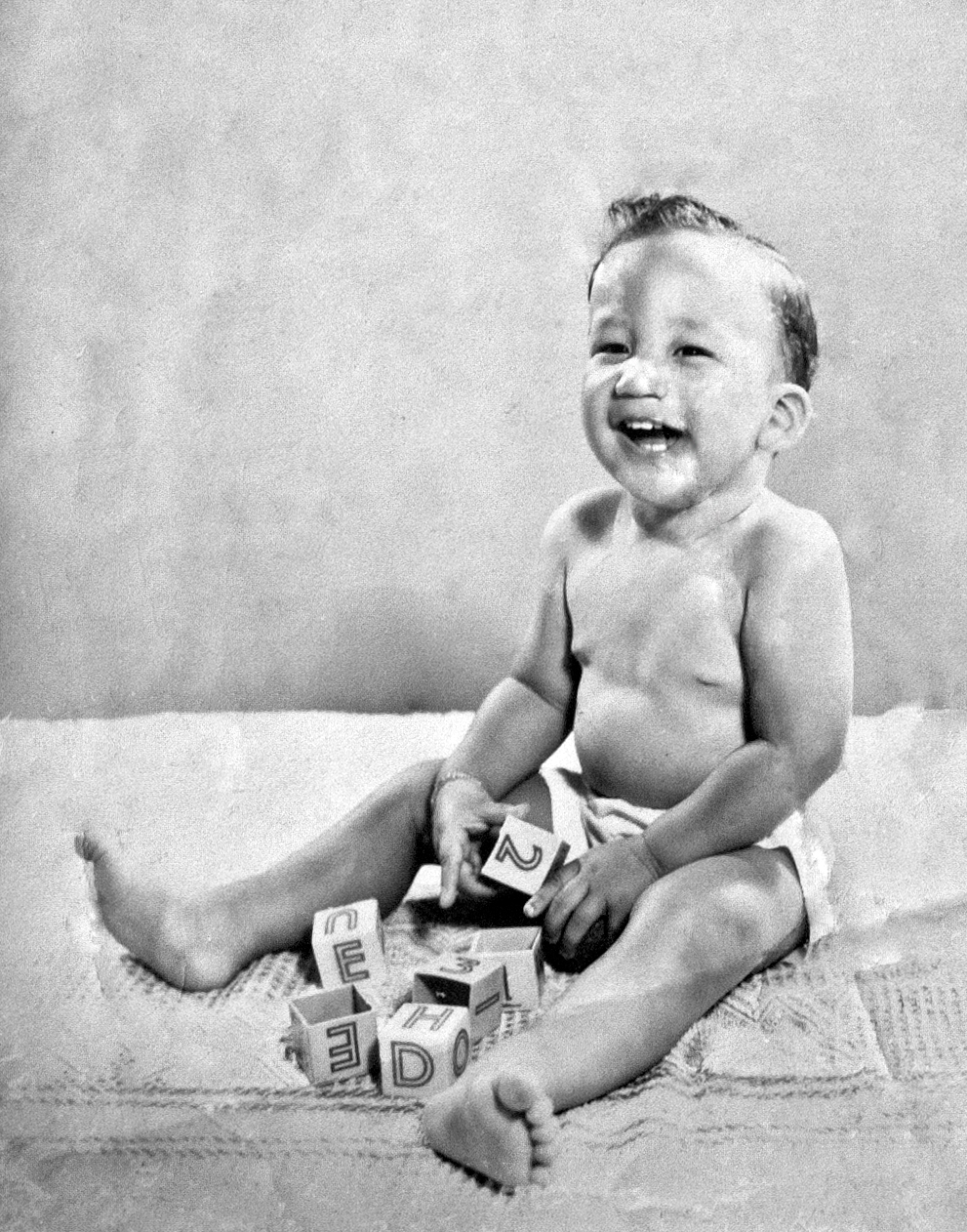
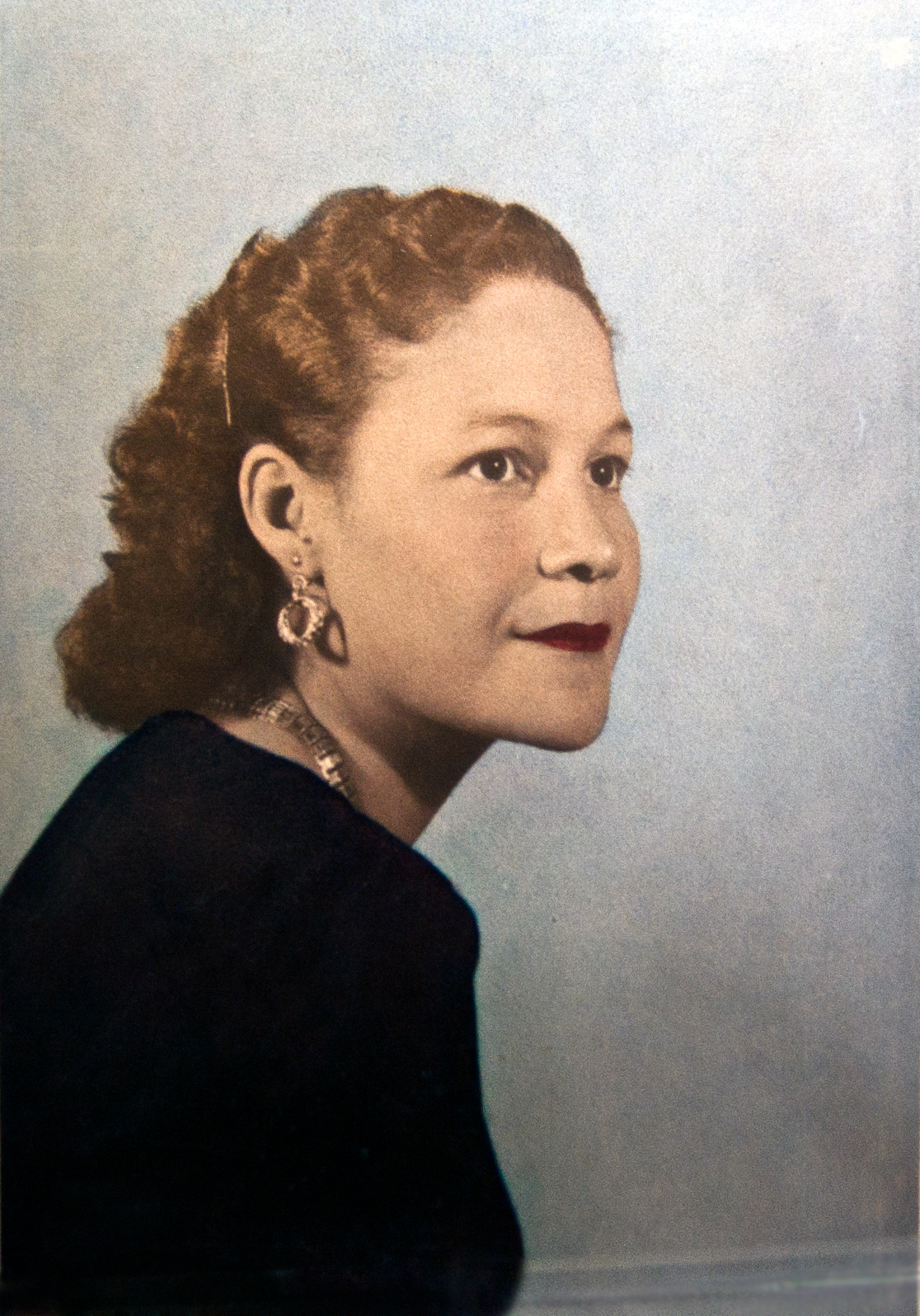
The camera captures much more than images on the other side of the lens, it also captures the thoughts and the spirit of the photographer. Today, I can perceive Dad’s loving spirit in the many photos that he took of Mom, my younger sister, Deborah and I. I am deeply grateful for all those photographs that documented a time from our past and help us remember how he expressed his love; a love that never dies. I share some of these photos here as testimony of Dad’s devotion to his family. Dad, although these photos are frozen in time, through your own eyes then, we can see you again today. Today, your family raises a toast to you in heaven. Know that you too are beloved.